Buying Guide for the Best TV Deals Smart Tv
When it comes to buying a smart TV, there are several factors to consider to ensure you get the best fit for your needs. Smart TVs come with a variety of features and specifications that can greatly impact your viewing experience. Understanding these key specs will help you make an informed decision and find a TV that meets your requirements. Here are the main specifications to consider when shopping for a smart TV.Screen SizeScreen size is one of the most important factors when choosing a TV. It is measured diagonally from corner to corner. The right screen size for you depends on the size of the room and how far you will be sitting from the TV. For smaller rooms or closer viewing distances, a screen size of 32 to 43 inches might be sufficient. For larger rooms or if you prefer a more immersive experience, consider a screen size of 50 inches or larger. Make sure to measure your space and consider your viewing habits before deciding on the screen size.
ResolutionResolution refers to the number of pixels that make up the picture on the screen. Higher resolution means more pixels and a clearer, sharper image. The most common resolutions are Full HD (1080p), 4K (Ultra HD), and 8K. Full HD is suitable for smaller screens and basic viewing needs. 4K offers a significant improvement in picture quality and is ideal for larger screens and more detailed content. 8K provides the highest resolution currently available, but it is more expensive and there is limited content available in 8K. Consider your viewing habits and the type of content you watch when choosing the resolution.
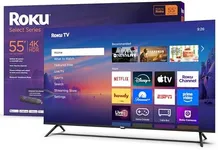
Smart TV PlatformThe smart TV platform is the operating system that runs the TV and provides access to apps and streaming services. Popular platforms include Android TV, Roku TV, webOS, and Tizen. Each platform has its own interface, app selection, and features. Consider which platform you find most user-friendly and which one offers the apps and services you use most frequently. Some platforms also offer voice control and smart home integration, which can be a deciding factor for some users.
HDR (High Dynamic Range)HDR enhances the contrast and color of the picture, providing a more realistic and vibrant image. There are different HDR formats, such as HDR10, Dolby Vision, and HLG. HDR10 is the most common and is supported by most TVs. Dolby Vision offers a higher level of performance but is only available on select models. HLG is used for broadcast content. If you enjoy watching movies and TV shows with stunning visuals, look for a TV that supports HDR. However, if you mainly watch standard content, HDR may not be as important.
Refresh RateThe refresh rate is the number of times the TV updates the image on the screen per second, measured in Hertz (Hz). Common refresh rates are 60Hz, 120Hz, and 240Hz. A higher refresh rate results in smoother motion, which is especially important for fast-paced content like sports and action movies. For general TV watching, 60Hz is usually sufficient. If you are a gamer or enjoy watching a lot of sports, consider a TV with a higher refresh rate for a better viewing experience.
ConnectivityConnectivity refers to the ports and wireless options available on the TV. Common ports include HDMI, USB, and Ethernet. HDMI ports are essential for connecting devices like gaming consoles, Blu-ray players, and soundbars. USB ports allow you to connect external storage devices to play media files. Ethernet ports provide a stable internet connection, while Wi-Fi allows for wireless connectivity. Make sure the TV has enough ports to connect all your devices and consider any additional features like Bluetooth or screen mirroring that you might need.
Audio QualityAudio quality is an important aspect of the overall viewing experience. While most TVs come with built-in speakers, the sound quality can vary. Look for TVs with higher wattage speakers and additional features like Dolby Audio or DTS for better sound. If audio quality is a priority, you might also consider investing in a soundbar or home theater system to enhance the sound experience. Think about how important audio quality is to you and whether you are willing to invest in additional audio equipment.