Buying Guide for the Best Truck Jack
Choosing the right truck jack is crucial for ensuring safety and efficiency when lifting your vehicle. A truck jack is a tool used to lift heavy vehicles off the ground, allowing you to perform maintenance or repairs. When selecting a truck jack, it's important to consider several key specifications to ensure you get the best fit for your needs. Understanding these specifications will help you make an informed decision and choose a jack that is both safe and effective for your specific vehicle and usage requirements.Weight CapacityWeight capacity refers to the maximum weight the jack can safely lift. This is important because using a jack with insufficient capacity can be dangerous and cause the jack to fail. Truck jacks typically range from 2 tons to 20 tons or more. For light trucks and SUVs, a 2 to 3-ton jack is usually sufficient. For heavier trucks, you may need a jack with a higher capacity, such as 5 tons or more. Always check your vehicle's weight and choose a jack that can handle at least that much weight, preferably with some margin for safety.
Lift RangeLift range is the height to which the jack can raise your vehicle. This is important because it determines whether the jack can lift your vehicle high enough to perform the necessary work. Lift ranges can vary significantly, with some jacks offering a range of 5 to 20 inches or more. For most trucks, a lift range of 12 to 18 inches is usually adequate. Consider the ground clearance of your vehicle and the height you need to lift it to ensure the jack's lift range is suitable for your needs.
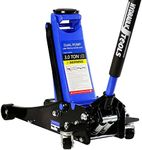
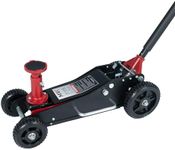
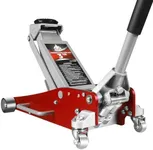
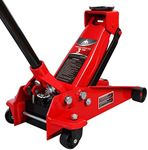
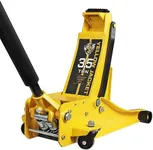
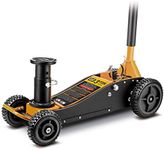
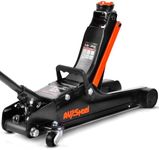
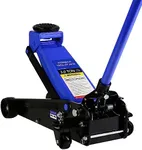
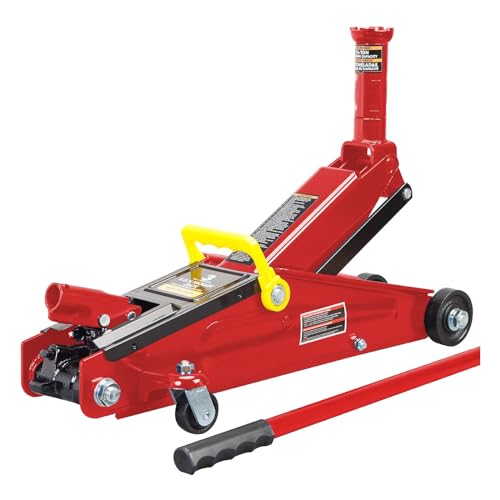
Jack TypeThere are several types of truck jacks, including hydraulic floor jacks, bottle jacks, and scissor jacks. Hydraulic floor jacks are versatile and easy to use, making them a popular choice for many truck owners. Bottle jacks are compact and can lift heavier loads, but they may not be as stable as floor jacks. Scissor jacks are typically used for emergency situations and are often included with vehicles, but they are not as durable or easy to use as hydraulic jacks. Consider how you will use the jack and choose the type that best fits your needs.
Material and Build QualityThe material and build quality of a truck jack affect its durability and safety. High-quality jacks are typically made from heavy-duty steel or aluminum. Steel jacks are very strong and durable, but they can be heavy. Aluminum jacks are lighter and easier to maneuver, but they may not be as strong as steel jacks. Look for jacks with a solid construction, reinforced lifting arms, and a stable base to ensure safety and longevity. Choose a jack made from materials that balance strength and weight according to your preferences and usage.
Portability and StoragePortability and storage are important considerations, especially if you need to transport the jack or have limited storage space. Some jacks come with carrying handles or cases, making them easier to move and store. Compact jacks, like bottle jacks, are easier to store in your vehicle, while larger floor jacks may require more space. Consider where you will store the jack and how often you will need to move it. Choose a jack that is easy to transport and fits within your available storage space.
Safety FeaturesSafety features are critical when selecting a truck jack. Look for jacks with built-in safety valves to prevent overloading, as well as features like wide bases for stability and secure locking mechanisms. Some jacks also have rubber pads or saddle protectors to prevent damage to your vehicle. Safety features can vary between models, so consider which features are most important for your peace of mind and the safety of your vehicle. Choose a jack with robust safety features to ensure safe and reliable operation.