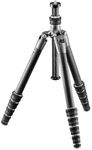
Buying Guide for the Best Tripod For Real Estate Photography
Choosing the right tripod for real estate photography is crucial to ensure you capture sharp, high-quality images that showcase properties in the best light. A good tripod provides stability, flexibility, and ease of use, which are essential for achieving professional results. When selecting a tripod, consider the following key specifications to find the best fit for your needs.StabilityStability is the primary function of a tripod, ensuring your camera remains steady during long exposures or in low light conditions. A stable tripod minimizes camera shake, resulting in sharper images. Look for tripods with sturdy legs and a solid build. Heavier tripods generally offer more stability, but they can be less portable. For real estate photography, prioritize stability to capture clear, detailed images of interiors and exteriors.
HeightThe height of a tripod determines how high you can position your camera. This is important for capturing different perspectives and angles. Tripods typically have a maximum and minimum height. For real estate photography, a tripod that can extend to eye level or higher is beneficial for capturing wide-angle shots of rooms. Additionally, a tripod that can go low to the ground is useful for creative angles. Choose a tripod with adjustable height to accommodate various shooting scenarios.
WeightThe weight of a tripod affects its portability and ease of use. Lighter tripods are easier to carry around, especially if you need to move between different properties frequently. However, lighter tripods may compromise stability. For real estate photography, find a balance between weight and stability. A moderately weighted tripod that is easy to transport but still provides sufficient stability is ideal.
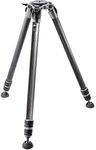
MaterialTripods are commonly made from aluminum or carbon fiber. Aluminum tripods are generally more affordable and offer good stability, but they are heavier. Carbon fiber tripods are lighter and more durable, making them easier to carry and resistant to weather conditions, but they are usually more expensive. For real estate photography, consider how often you will be transporting the tripod and whether the added cost of carbon fiber is justified by the convenience and durability it offers.
Leg LocksLeg locks secure the tripod legs at the desired height. There are two main types: flip locks and twist locks. Flip locks are quick and easy to use, making them convenient for fast setup. Twist locks are more compact and can provide a sleeker design. For real estate photography, the choice between flip and twist locks depends on personal preference and how quickly you need to set up your tripod. Both types can offer reliable performance.
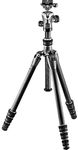
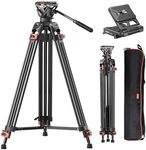
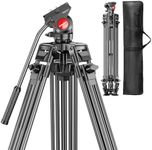
Head TypeThe tripod head is the part that holds your camera and allows you to adjust its position. Common types include ball heads, pan-tilt heads, and geared heads. Ball heads offer quick and flexible adjustments, making them suitable for dynamic shooting. Pan-tilt heads provide precise control over horizontal and vertical movements, which is useful for framing shots accurately. Geared heads offer the most precision, allowing fine adjustments for perfect alignment. For real estate photography, a pan-tilt or geared head is often preferred for its precision and control.
Load CapacityLoad capacity refers to the maximum weight the tripod can support. This includes the weight of your camera and any additional equipment, such as lenses or external flashes. Ensure the tripod you choose can comfortably support your gear to avoid any risk of tipping over or instability. For real estate photography, consider the weight of your heaviest camera setup and choose a tripod with a load capacity that exceeds this weight to ensure stability and safety.