Buying Guide for the Best Transfer Switches
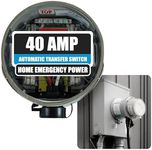
Choosing the right transfer switch is crucial for ensuring a seamless transition between power sources, such as from the utility grid to a generator. Transfer switches are essential for maintaining power continuity and protecting your electrical system. To make an informed decision, you need to understand the key specifications and how they align with your specific needs. Here are the main factors to consider when selecting a transfer switch.Type of Transfer SwitchTransfer switches come in two main types: manual and automatic. A manual transfer switch requires you to physically switch the power source, which can be suitable for smaller setups or less critical applications. An automatic transfer switch (ATS) automatically detects a power outage and switches to the backup power source without any user intervention, making it ideal for critical systems where uninterrupted power is essential. Choose a manual switch if you can manage the switch yourself and don't need immediate power restoration. Opt for an ATS if you need a hands-free solution that ensures continuous power.
Amperage RatingThe amperage rating indicates the maximum current the transfer switch can handle. This is important because it needs to match or exceed the total current draw of your electrical system to prevent overloading. Amperage ratings typically range from 30 amps for smaller setups to 400 amps or more for larger installations. To determine the right amperage rating, calculate the total current draw of all the devices and appliances you plan to power through the switch. Choose a transfer switch with an amperage rating that comfortably exceeds this total to ensure safe and reliable operation.
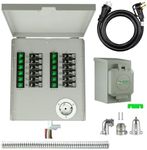
Number of CircuitsThe number of circuits a transfer switch can handle determines how many individual electrical circuits it can switch between power sources. This is important for distributing power to different parts of your home or business. Transfer switches can range from handling a few circuits to managing entire electrical panels. If you only need to power essential appliances, a switch with fewer circuits may suffice. For whole-house or large-scale applications, choose a transfer switch that can accommodate all the circuits you need to keep powered during an outage.
Compatibility with Power SourcesNot all transfer switches are compatible with every type of power source. Some are designed specifically for generators, while others can work with solar panels, wind turbines, or other alternative energy sources. It's important to ensure that the transfer switch you choose is compatible with your backup power source. Check the specifications of both the transfer switch and your power source to ensure they can work together seamlessly. This will ensure efficient and reliable power transfer when needed.
Installation and MaintenanceThe ease of installation and maintenance is another important consideration. Some transfer switches are designed for DIY installation, while others may require professional installation due to their complexity. Additionally, consider how easy it is to maintain the switch, such as accessing components for inspection or replacement. If you are comfortable with electrical work, a simpler model may be sufficient. However, for more complex systems or if you prefer not to handle electrical installations, opt for a model that includes professional installation services.
Safety FeaturesSafety features are crucial in a transfer switch to protect your electrical system and prevent accidents. Look for features such as interlock mechanisms that prevent simultaneous connection to both power sources, overload protection, and indicators for power status. These features help ensure safe operation and protect both your equipment and personnel. Prioritize transfer switches with robust safety features, especially if you are powering critical systems or if the switch will be used in a residential setting where safety is paramount.