Buying Guide for the Best Torque Screwdrivers
When it comes to picking the right torque screwdriver, it's important to understand that this tool is designed to apply a specific amount of torque to a fastener, ensuring that it is neither too tight nor too loose. This is crucial in many applications, such as electronics, automotive, and aerospace, where precision is key. To choose the best torque screwdriver for your needs, you should consider several key specifications that will help you make an informed decision.Torque RangeThe torque range of a screwdriver indicates the minimum and maximum torque it can apply. This is important because different applications require different levels of torque. For example, delicate electronics might need a lower torque range (measured in inch-pounds or Newton-meters), while automotive applications might require a higher range. To choose the right torque range, consider the type of work you'll be doing most often. If you work with a variety of materials, a screwdriver with a broad torque range might be the best choice.
AccuracyAccuracy refers to how precisely the torque screwdriver can apply the specified torque. This is crucial for ensuring that fasteners are tightened to the correct specification, which can prevent damage and ensure safety. Accuracy is usually expressed as a percentage of the set torque value. Higher accuracy (e.g., ±3%) is better for critical applications, while lower accuracy (e.g., ±6%) might be acceptable for less demanding tasks. Choose a torque screwdriver with the accuracy that matches the precision required for your work.
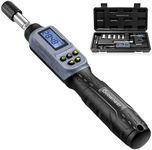
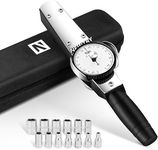
Scale TypeTorque screwdrivers can have different types of scales, such as analog or digital. Analog scales are typically more affordable and simpler to use, but they might be harder to read accurately. Digital scales, on the other hand, provide a clear and precise readout, which can be very helpful in ensuring the correct torque is applied. If you need high precision and ease of use, a digital scale might be the better option. For less critical tasks, an analog scale could suffice.
ErgonomicsErgonomics refers to how comfortable and easy the torque screwdriver is to use. This includes the handle design, weight, and overall balance of the tool. Good ergonomics can reduce hand fatigue and improve control, which is especially important if you'll be using the tool for extended periods. When choosing a torque screwdriver, consider how it feels in your hand and whether it allows you to work comfortably and efficiently.
CalibrationCalibration ensures that the torque screwdriver is applying the correct amount of torque. Over time, all torque screwdrivers can drift out of calibration, so it's important to choose one that can be easily recalibrated. Some models come with a certificate of calibration, which guarantees their accuracy. Regular calibration is essential for maintaining the tool's precision, especially in professional settings. Check the manufacturer's recommendations for calibration intervals and choose a model that fits your maintenance capabilities.
Build QualityThe build quality of a torque screwdriver affects its durability and reliability. High-quality materials and construction can ensure that the tool lasts longer and performs consistently. Look for screwdrivers made from robust materials like stainless steel or high-grade plastics. Additionally, consider the reputation of the manufacturer and read reviews to gauge the overall quality. A well-built torque screwdriver is a worthwhile investment, especially if you rely on it for professional work.