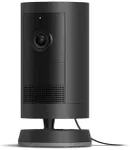
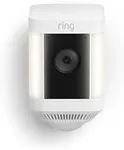
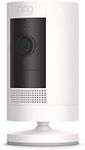
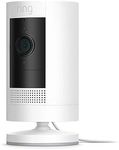
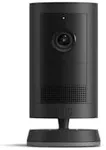
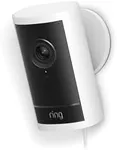
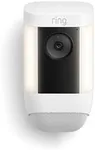
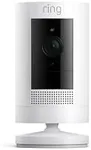
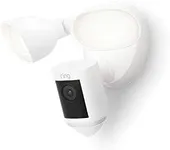
Buying Guide for the Best The Ring Camera For Outdoors
When choosing a Ring camera for outdoor use, it's important to consider several key specifications to ensure you get the best fit for your needs. Outdoor cameras need to be durable, provide clear footage, and have features that enhance security. Understanding these specifications will help you make an informed decision and select a camera that meets your specific requirements.ResolutionResolution refers to the clarity and detail of the video footage captured by the camera. Higher resolution means clearer and more detailed images. Common resolutions include 720p, 1080p, and 4K. For general home security, 1080p is usually sufficient, providing a good balance between quality and storage space. If you need to capture finer details, such as faces or license plates, a 4K camera might be more appropriate. Consider your specific needs and the level of detail you require when choosing the resolution.
Field of ViewField of view (FOV) is the extent of the observable area the camera can capture. It is measured in degrees. A wider FOV means the camera can cover more area, which is useful for monitoring large spaces. Typical FOV ranges from 90 degrees to 180 degrees. For smaller areas, a narrower FOV might be sufficient, while larger areas or those with multiple entry points might benefit from a wider FOV. Assess the area you need to monitor to determine the appropriate FOV for your camera.
Night VisionNight vision is the camera's ability to capture clear footage in low-light or no-light conditions. This is crucial for outdoor cameras, as they need to provide security around the clock. Night vision capabilities can vary, with some cameras offering color night vision and others providing black and white footage. Consider the lighting conditions in your area and whether you need advanced night vision features to ensure your camera can effectively monitor your property at night.
Weather ResistanceWeather resistance indicates how well the camera can withstand various weather conditions, such as rain, snow, and extreme temperatures. Look for cameras with an IP (Ingress Protection) rating, which indicates their level of protection against dust and water. An IP65 rating or higher is generally recommended for outdoor use. Ensure the camera you choose can handle the specific weather conditions in your area to maintain reliable performance year-round.
Motion DetectionMotion detection is a feature that allows the camera to detect movement and trigger recording or alerts. This is important for capturing potential security threats and minimizing unnecessary recordings. Some cameras offer adjustable sensitivity settings and advanced features like person detection to reduce false alarms. Consider how sensitive you need the motion detection to be and whether you require advanced features to tailor the camera's performance to your specific security needs.
Power SourceThe power source for the camera can be either wired or wireless. Wired cameras are connected to a power outlet, providing a constant power supply, while wireless cameras typically use batteries or solar panels. Wired cameras are generally more reliable but require more installation effort. Wireless cameras offer more flexibility in placement but may need regular battery changes or sunlight for solar-powered options. Consider your installation preferences and the availability of power sources when choosing the right power option for your camera.
Storage OptionsStorage options refer to how the camera saves the recorded footage. Common options include cloud storage and local storage (such as a microSD card). Cloud storage usually requires a subscription but offers remote access and backup. Local storage does not require ongoing fees but may have limited capacity. Think about how you want to access and store your footage, and whether you prefer the convenience of cloud storage or the control of local storage.