Buying Guide for the Best Tagine Pot
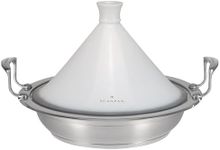
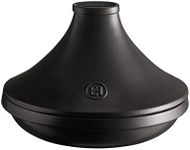
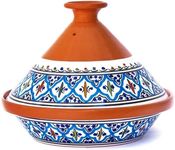
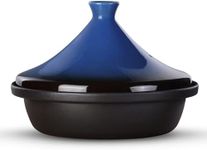
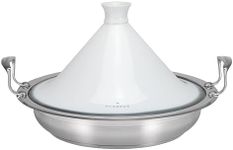
Choosing the right tagine pot can greatly enhance your cooking experience, especially if you enjoy making slow-cooked, flavorful dishes. A tagine pot is a traditional North African cooking vessel known for its conical lid, which helps to circulate steam and keep the food moist. When selecting a tagine pot, it's important to consider several key specifications to ensure you get the best fit for your cooking needs and preferences.MaterialTagine pots can be made from various materials, including clay, ceramic, and cast iron. The material affects the cooking process and the flavor of the food. Clay and ceramic tagines are traditional and provide an authentic cooking experience, allowing for slow, even cooking and enhancing the flavors. However, they can be fragile and require careful handling. Cast iron tagines are more durable and can be used on various heat sources, including induction cooktops, but they may not provide the same traditional flavor. Choose a material based on your cooking style and how much care you're willing to invest in maintaining the pot.
SizeTagine pots come in different sizes, typically measured by their diameter. The size you choose should depend on the number of people you usually cook for. Small tagines (around 8-10 inches) are suitable for 2-3 people, medium tagines (10-12 inches) can serve 4-6 people, and large tagines (12 inches and above) are ideal for larger gatherings or families. Consider your typical meal size and choose a tagine that can comfortably accommodate your needs without overcrowding the pot.
Lid ShapeThe conical lid is a distinctive feature of tagine pots, designed to condense steam and return it to the dish, keeping the food moist. Some lids have a more pronounced cone shape, while others are more rounded. The shape can affect how the steam circulates and condenses. A more conical lid is better for slow cooking and retaining moisture, while a rounded lid may allow for slightly faster cooking. Think about the types of dishes you plan to make and whether you prefer a more traditional slow-cooking method or a slightly quicker process.
Heat Source CompatibilityNot all tagine pots are compatible with every heat source. Traditional clay and ceramic tagines are typically used on gas stoves or in the oven, while cast iron tagines can be used on gas, electric, and induction cooktops. Some modern tagines are designed to be more versatile and can be used on multiple heat sources. Ensure that the tagine you choose is compatible with your kitchen's heat source to avoid any damage to the pot and to ensure safe cooking.
Ease of MaintenanceDifferent materials require different levels of care. Clay and ceramic tagines often need to be seasoned before use and should be hand-washed to prevent cracking. They may also need to be soaked before cooking to prevent them from drying out. Cast iron tagines are generally easier to maintain, as they can be cleaned with soap and water and do not require soaking. Consider how much time and effort you are willing to put into maintaining your tagine pot and choose one that fits your lifestyle.