Buying Guide for the Best Survival Water Filter
Choosing the right survival water filter is crucial for ensuring you have access to safe drinking water in emergency situations or when you're out in the wilderness. The right filter can protect you from harmful bacteria, protozoa, and other contaminants that can cause serious health issues. To make an informed decision, it's important to understand the key specifications and how they align with your specific needs and circumstances.Filtration CapacityFiltration capacity refers to the amount of water a filter can process before it needs to be replaced or cleaned. This is important because it determines how long the filter will last and how much water you can safely drink. Filters with a higher capacity are ideal for long-term use or for groups, while lower capacity filters may be sufficient for short trips or individual use. Consider your usage scenario to determine the right capacity for you.
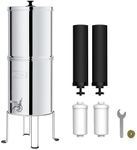
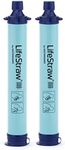
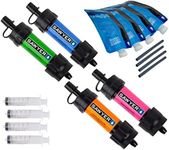
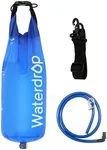
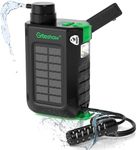
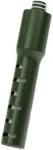
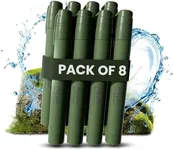
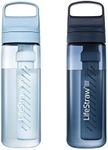
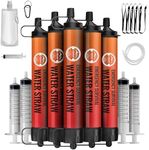
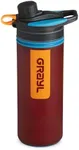
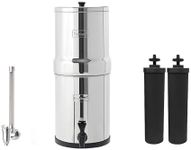
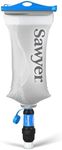
Filter TypeThere are different types of filters, including pump filters, gravity filters, straw filters, and bottle filters. Pump filters are versatile and can filter large amounts of water quickly, making them suitable for groups. Gravity filters are great for base camps as they require minimal effort. Straw filters are lightweight and portable, ideal for individual use on the go. Bottle filters combine filtration with a water bottle, offering convenience for solo travelers. Choose a filter type based on your activity and the number of people in your group.
Pore SizePore size indicates the size of the openings in the filter media and determines what contaminants the filter can remove. Smaller pore sizes (e.g., 0.1 microns) can remove bacteria and protozoa, while larger pore sizes may only filter out larger particles. For maximum protection, especially in areas with questionable water quality, opt for a filter with a smaller pore size. If you're in an area with relatively clean water, a larger pore size may suffice.
Flow RateFlow rate measures how quickly water passes through the filter, usually expressed in liters per minute. A higher flow rate means you can get filtered water faster, which is beneficial in situations where time is of the essence. However, higher flow rates may sometimes compromise filtration quality. Balance your need for speed with the level of filtration required for your environment.
Weight and PortabilityWeight and portability are crucial factors, especially if you're backpacking or traveling light. Lightweight and compact filters are easier to carry and use on the go. However, they may have lower capacities or slower flow rates. If you're setting up a base camp or traveling with a group, a slightly heavier but more efficient filter might be a better choice. Consider how much weight you can comfortably carry and how often you'll need to move your gear.
Ease of UseEase of use refers to how simple it is to operate and maintain the filter. Some filters require pumping, which can be labor-intensive, while others rely on gravity or suction, which are less demanding. Additionally, consider how easy it is to clean and replace the filter elements. A filter that's easy to use and maintain will ensure you can always access clean water without hassle, especially in stressful survival situations.
DurabilityDurability is about how well the filter can withstand harsh conditions and repeated use. A durable filter is made from robust materials that can handle drops, impacts, and exposure to the elements. This is particularly important for survival situations where your gear needs to be reliable. Look for filters with strong construction and good reviews on their longevity to ensure they won't fail when you need them most.