We Use CookiesWe use cookies to enhance the security, performance, functionality and for analytical and promotional activities. By continuing to browse this site you are agreeing to our privacy policy

Best Streaming Mic

From leading brands and best sellers available on the web.
#1

Winner

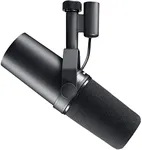
Shure SM7B Vocal Dynamic Microphone

Shure

10%OFF

editor-choice-ribbon

Shure SM7B Vocal Dynamic Microphone – XLR Studio Mic for Podcasting, Recording, Broadcasting, Streaming & Gaming – Smooth, Warm Sound, Rugged Build, Detachable Windscreen, Wide Frequency Range, Black

View on Amazon
#2
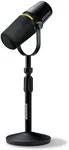
Shure MV7+ Podcast Dynamic Micropho

Shure

10%OFF

editor-choice-ribbon

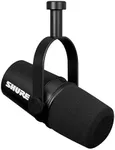
Shure MV7+ Podcast Dynamic Microphone with Stand – OBS Certified, Enhanced Audio, LED Panel, USB-C & XLR Outputs, Auto Level Mode, Digital Pop Filter – for Podcasting, Streaming, and Recording, Black
View on Amazon
#3
Shure MV7X XLR Dynamic Microphone –

Shure

10%OFF

editor-choice-ribbon

Shure MV7X XLR Dynamic Microphone – Voice-Isolating Cardioid Mic for Podcasting, Vocal Recording & Broadcasting, All-Metal, Black
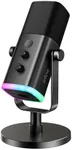
View on Amazon
#4
FIFINE USB/XLR Dynamic Microphone f

FIFINE

editor-choice-ribbon

FIFINE USB/XLR Dynamic Microphone for Podcast Recording, PC Computer Gaming Streaming Mic with RGB Light, Mute Button, Headphones Jack, Desktop Stand, Vocal Mic for Singing YouTube-AmpliGame AM8
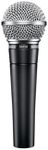
View on Amazon
#5
Shure SM58 Professional Dynamic Voc

Shure

10%OFF

editor-choice-ribbon

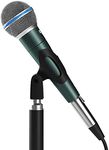
Shure SM58 Professional Dynamic Vocal Microphone with 25-Foot XLR Cable – Cardioid Mic for Live Performance, Studio Recording, Podcasting & Streaming (SM58-CN), Black & Silver

View on Amazon
#6
RØDE PodMic USB Dynamic Broadcast M

Rode

8%OFF

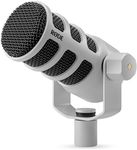
RØDE PodMic USB Dynamic Broadcast Microphone with XLR and USB Connectivity for Podcasting, Streaming and Content Creation (White)
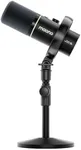
View on Amazon
#7
MAONO PD200W Hybrid Wireless Podcas

MAONO

35%OFF

editor-choice-ribbon

MAONO PD200W Hybrid Wireless Podcast Microphone for PC, Dynamic XLR USB Mic with Desktop Stand, Software, Noise Cancellation, for Vocal Recording, Streaming, Content Creation, Home Studio, Voiceover

View on Amazon
#8
RØDE NT1 5th Gen Large-Diaphragm St

Rode

RØDE NT1 5th Gen Large-Diaphragm Studio Condenser Microphone - XLR & USB Outputs - Shock Mount & Pop Filter Included - Music Production, Vocal Recording, Podcasting - Black - Professional Audio
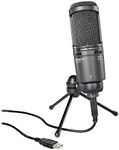
View on Amazon
#9
Audio-Technica AT2020USB+ Cardioid

Audio-Technica

10%OFF

Audio-Technica AT2020USB+ Cardioid Condenser USB Microphone, with Built-in Headphone Jack & Volume Control, Perfect for Content Creators (Black)
View on Amazon
#10
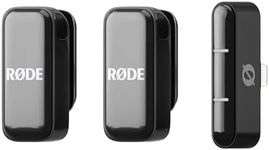
RØDE Wireless Micro - Compact Wirel

Rode

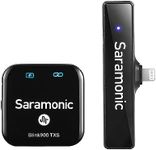
RØDE Wireless Micro - Compact Wireless Microphone, Two Mics with Charge Case for Smartphone Content Creation - Lightning, Black (iPhone ONLY)
View on Amazon
How do we rank products for you?

Our technology thoroughly searches through the online shopping world, reviewing hundreds of sites. We then process and analyze this information, updating in real-time to bring you the latest top-rated products. This way, you always get the best and most current options available.

headphones-stars

Most Popular Categories Right Now

Buying Guide for the Best Streaming Mic

Choosing the right streaming microphone is crucial for ensuring high-quality audio during your streams, whether you're gaming, podcasting, or creating content. The right microphone can make a significant difference in how your audience perceives your content. To make an informed decision, you need to understand the key specifications and how they align with your specific needs. Here are the main specs to consider when selecting a streaming microphone.
Polar PatternThe polar pattern of a microphone determines how it picks up sound from different directions. The most common patterns are cardioid, omnidirectional, and bidirectional. Cardioid mics pick up sound primarily from the front, making them ideal for solo streamers as they minimize background noise. Omnidirectional mics capture sound equally from all directions, which can be useful in group settings but may pick up more ambient noise. Bidirectional mics capture sound from the front and back, suitable for interviews or two-person streams. Choose a polar pattern based on your streaming environment and whether you need to isolate your voice or capture more ambient sound.
Frequency ResponseFrequency response refers to the range of frequencies a microphone can capture. A wider frequency response means the mic can pick up more detail in both low and high frequencies. For streaming, a frequency response of 20 Hz to 20 kHz is generally sufficient, as it covers the full range of human hearing. If you have a deeper voice, you might want a mic that emphasizes lower frequencies, while higher frequencies are important for capturing clarity in speech. Consider your voice type and the kind of sound you want to achieve when evaluating frequency response.
ConnectivityMicrophones can connect to your computer via USB or XLR. USB mics are plug-and-play, making them easy to set up and use, which is great for beginners or those who want a simple setup. XLR mics require an audio interface or mixer, offering more control over sound quality and are preferred by professionals. If you're just starting out or prefer convenience, a USB mic is a good choice. If you're looking for higher audio quality and more control, consider an XLR mic.
Bit Depth and Sample RateBit depth and sample rate are important for digital audio quality. Bit depth affects the dynamic range of the audio, with 16-bit being standard for most uses and 24-bit offering higher quality. Sample rate determines how many times per second the audio is sampled, with 44.1 kHz being standard and 48 kHz or higher providing better quality. For streaming, 16-bit/44.1 kHz is usually sufficient, but if you want the best possible audio quality, look for a mic that supports 24-bit/48 kHz or higher.
Build Quality and DesignThe build quality and design of a microphone can affect its durability and ease of use. Look for a mic with a sturdy build, especially if you plan to move it around frequently. The design should also include features like a shock mount to reduce vibrations and a pop filter to minimize plosive sounds. Consider how the mic will fit into your streaming setup and whether it offers the durability and features you need for your specific use case.
Additional FeaturesSome microphones come with additional features like built-in headphone jacks for real-time monitoring, mute buttons, and gain controls. These features can enhance your streaming experience by giving you more control over your audio. Think about which additional features are important to you and how they can improve your workflow and audio quality during streams.