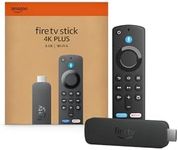
Buying Guide for the Best Streaming Device For Non Smart Tv
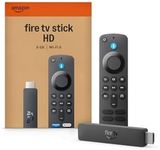
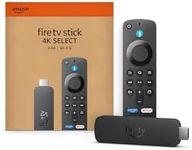
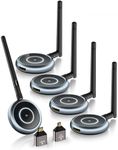
Choosing a streaming device for a non-smart TV can significantly enhance your viewing experience by providing access to a wide range of streaming services and apps. When selecting the right streaming device, it's important to consider several key specifications to ensure it meets your needs and preferences. Here are the main factors to consider and how to navigate them to find the best fit for you.CompatibilityCompatibility refers to whether the streaming device can connect to your non-smart TV. This is crucial because if the device isn't compatible, it won't work with your TV. Most streaming devices connect via an HDMI port, so ensure your TV has an available HDMI input. If your TV is older and lacks HDMI ports, look for devices that offer composite or component connections. To pick the right one, check your TV's available ports and choose a device that matches those inputs.
Streaming QualityStreaming quality determines the resolution and clarity of the content you watch. This is important for a good viewing experience. Streaming devices typically offer resolutions like 720p (HD), 1080p (Full HD), and 4K (Ultra HD). If you have a 4K TV, choose a device that supports 4K streaming for the best picture quality. For older TVs, a 1080p device may be sufficient. Consider your TV's resolution and your preference for picture quality when making your choice.
Content AvailabilityContent availability refers to the streaming services and apps that the device supports. This is important because it determines what you can watch. Some devices offer a wide range of apps, including popular ones like Netflix, Hulu, Amazon Prime Video, and Disney+. Others may have limited options. To pick the right one, list the streaming services you use or plan to use and ensure the device supports them.
User Interface and Ease of UseThe user interface and ease of use refer to how simple and intuitive the device is to navigate. This is important for a smooth and enjoyable user experience. Some devices have user-friendly interfaces with easy-to-navigate menus and voice control features, while others may be more complex. If you prefer a straightforward experience, look for devices known for their simplicity and ease of use. Consider your comfort level with technology and choose a device that matches it.
Remote Control FeaturesRemote control features refer to the functionality and convenience of the remote that comes with the streaming device. This is important for controlling the device easily. Some remotes offer voice search, programmable buttons, and even the ability to control your TV's power and volume. Others may have basic functions. If you value convenience, look for a remote with advanced features. Think about how you plan to use the remote and choose one that offers the features you need.
Connectivity OptionsConnectivity options refer to how the streaming device connects to the internet and other devices. This is important for a stable and fast streaming experience. Most devices connect via Wi-Fi, but some also offer Ethernet ports for a wired connection, which can be more reliable. Additionally, some devices support Bluetooth for connecting peripherals like headphones. Consider your home network setup and choose a device with the connectivity options that best suit your needs.
Storage and PerformanceStorage and performance refer to the device's ability to store apps and handle streaming smoothly. This is important for a seamless experience without lag or buffering. Devices with more storage can hold more apps and data, while those with better processors can stream content more efficiently. If you plan to install many apps or use the device for gaming, look for one with higher storage and better performance. Consider your usage habits and choose a device that can handle them.