Best Steam Radiator Air Valve
From leading brands and best sellers available on the web.
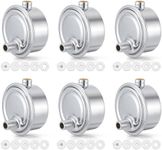
Gisafai
Gisafai 6 Pack Steam Radiator Air Valve #4#5#6#C #D 1/8" Steam Air Vent Angle Mount Heat Regulator Valve Chrome Plated Copper Vent for Winter Radiator Parts

Midline Valve
Midline Valve 6I564-5 Steam Radiator Valve; Air Vent Temperature Control; 3/4 in. FIP x Male Union; Brass (5 Pack), 0.75 Inch

HEAT TIMER
6%OFF
Varivalve 925005-00 Adjustable Angle Vent Valve - 3 Pack

Hoffman
Hoffman 1A Adjustable Angle Steam Radiator Air Valve Vent, 1/8" Size
Related Products
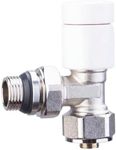
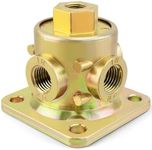

Midline Valve
Midline Valve HBW-4B18-5 Steam Air Vent #4 Heat Regulator Valve; Angle Mount; 1/8 in. NPT; Chrome Plated Steel (5 Pack)
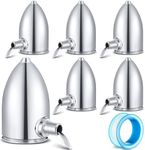
Gisafai
Gisafai 6 Pack Steam Radiator Air Vent Heat Regulator Float Type Valve Angle Mount 1/8 In. NPT Steam Radiator Air Valve
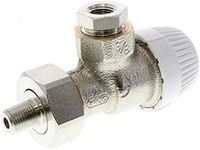
Honeywell
Honeywell V2042HSL10 One-Pipe Steam Radiator Valve, 1/8" Pipe Size
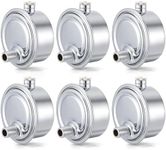
Gisafai
Gisafai 6 Pack Steam Radiator Air Valve #6 1/8" Steam Air Vent Angle Mount Heat Regulator Valve Chrome Plated Copper Vent for Winter Radiator Parts

Emerson Swan
Emerson Swan 1/8 Inch Angle Steam Vent, Adjustable
Recommended lists

Radiator Stop Leaks
Our technology thoroughly searches through the online shopping world, reviewing hundreds of sites. We then process and analyze this information, updating in real-time to bring you the latest top-rated products. This way, you always get the best and most current options available.

Most Popular Categories Right Now


