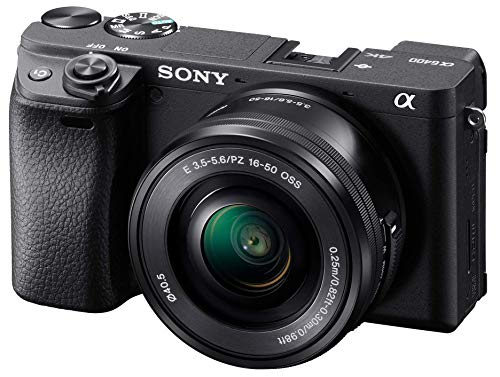
Buying Guide for the Best Sony Alpha Mirrorless Camera
Choosing the right Sony Alpha mirrorless camera can be a rewarding experience, but it requires some understanding of the key specifications and how they align with your needs. Mirrorless cameras are known for their compact size, interchangeable lenses, and advanced features, making them a popular choice for both amateur and professional photographers. To make an informed decision, it's important to consider several key specifications that will impact your photography experience.Sensor SizeThe sensor size in a camera determines the quality of the images it can produce. Larger sensors, such as full-frame sensors, capture more light and detail, resulting in higher image quality, especially in low-light conditions. APS-C sensors are smaller but still offer excellent quality and are more affordable. If you are a professional or serious enthusiast, a full-frame sensor might be the best choice. For casual photography or if you prefer a more compact camera, an APS-C sensor could be sufficient.
MegapixelsMegapixels refer to the resolution of the camera's sensor, indicating how many millions of pixels the sensor can capture. Higher megapixels mean more detail in your images, which is important for large prints or cropping. Cameras with 20-30 megapixels are generally sufficient for most users, providing a good balance between image quality and file size. If you need extremely high resolution for professional work, consider cameras with 40+ megapixels.
Autofocus SystemThe autofocus system determines how quickly and accurately the camera can focus on a subject. Advanced autofocus systems with more focus points and faster processing are better for capturing fast-moving subjects, such as in sports or wildlife photography. If you often shoot action or need precise focus, look for cameras with sophisticated autofocus capabilities. For general photography, a basic but reliable autofocus system will suffice.
Image StabilizationImage stabilization helps reduce blur caused by camera shake, allowing for sharper images, especially in low light or when using longer lenses. In-body image stabilization (IBIS) is a feature where the camera itself stabilizes the image, which is beneficial as it works with any lens. If you frequently shoot handheld or in challenging conditions, a camera with IBIS can be very helpful. If you mostly use a tripod or shoot in good lighting, this feature might be less critical.
Video CapabilitiesIf you plan to shoot video, consider the camera's video capabilities. Look for features like 4K resolution, high frame rates, and advanced video codecs for better quality and flexibility in editing. Some cameras also offer features like slow-motion recording and external microphone inputs. If video is a significant part of your work, prioritize these features. For occasional video recording, basic 1080p resolution might be sufficient.
Battery LifeBattery life is an important consideration, especially if you plan to shoot for extended periods or in remote locations. Mirrorless cameras typically have shorter battery life compared to DSLRs due to their electronic viewfinders and compact size. Look for cameras with longer battery life or the option to use external battery grips. If you often shoot long sessions or travel, having extra batteries or a camera with good battery performance is crucial.
ConnectivityModern cameras often come with various connectivity options like Wi-Fi, Bluetooth, and NFC, which allow for easy transfer of images to other devices and remote control of the camera. These features can be very convenient for sharing photos quickly or controlling the camera from a smartphone. If you value seamless connectivity and quick sharing, look for cameras with robust wireless features. For traditional photography, this might be less important.