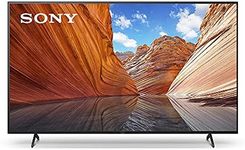
Buying Guide for the Best Sony 75 Tvs
Choosing the right TV can significantly enhance your viewing experience. When selecting a 75-inch TV, it's important to consider several key specifications to ensure you get the best fit for your needs. These specifications will help you understand the performance, quality, and features of the TV, allowing you to make an informed decision. Here are the key specs you should focus on when picking a 75-inch TV.ResolutionResolution refers to the number of pixels that make up the picture on the screen. The higher the resolution, the sharper and more detailed the image. Common resolutions include Full HD (1080p), 4K (2160p), and 8K (4320p). For a 75-inch TV, 4K resolution is generally recommended as it provides a high level of detail and clarity, making it ideal for large screens. If you want the latest and greatest, you might consider 8K, but keep in mind that 8K content is still limited.
Refresh RateThe refresh rate is the number of times per second the TV refreshes the image on the screen, measured in Hertz (Hz). Common refresh rates are 60Hz, 120Hz, and 240Hz. A higher refresh rate can result in smoother motion, which is particularly important for fast-paced content like sports and action movies. For most users, a 120Hz refresh rate is a good balance, providing smooth motion without a significant increase in cost.
HDR (High Dynamic Range)HDR enhances the contrast and color range of the TV, making the picture more vibrant and realistic. There are different HDR formats, such as HDR10, Dolby Vision, and HLG. HDR10 is the most common and provides a noticeable improvement in picture quality. Dolby Vision offers an even better experience but is available on fewer models. If you enjoy watching movies and TV shows with rich visuals, HDR is a feature worth considering.
Smart TV FeaturesSmart TV features allow you to connect to the internet and access streaming services, apps, and other online content directly from your TV. Look for a TV with a user-friendly interface and support for the streaming services you use most, such as Netflix, Amazon Prime, and Disney+. Some TVs also offer voice control and integration with smart home devices, which can enhance your overall experience.
ConnectivityConnectivity options determine how you can connect other devices to your TV. Important ports include HDMI, USB, and Ethernet. HDMI ports are essential for connecting devices like gaming consoles, Blu-ray players, and soundbars. Make sure the TV has enough HDMI ports for your needs. USB ports are useful for playing media from external drives, and an Ethernet port can provide a more stable internet connection than Wi-Fi.
Audio QualityWhile picture quality is crucial, audio quality is also important for an immersive viewing experience. Many TVs have built-in speakers, but they may not provide the best sound quality. Look for TVs with advanced audio technologies like Dolby Atmos or consider investing in a soundbar or home theater system to enhance the audio experience.
Viewing AngleThe viewing angle is the maximum angle at which you can watch the TV without losing picture quality. This is important if you have a wide seating arrangement. TVs with better viewing angles ensure that everyone in the room gets a good view, regardless of where they are sitting. OLED TVs generally offer the best viewing angles, while some LED TVs may have more limited angles.