We Use CookiesWe use cookies to enhance the security, performance, functionality and for analytical and promotional activities. By continuing to browse this site you are agreeing to our privacy policy

Best Solar Panels

From leading brands and best sellers available on the web.
#1

Winner

Renogy ShadowFlux Solar Panels, N-T

Renogy

18%OFF

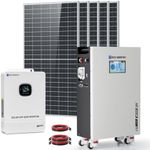
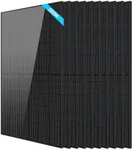
Renogy ShadowFlux Solar Panels, N-Type Anti-Shading Panels for 12V/24V Systems with 25% High-Efficiency PV Modules, 200W 4-Pack ShadowFlux N-Type Panels
View on Amazon
#2
SUNGOLDPOWER 590W Bifacial Solar Pa

SUNGOLDPOWER

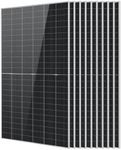
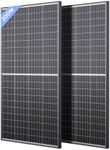
SUNGOLDPOWER 590W Bifacial Solar Panel 10PCS,N-Type 16BB,High Efficiecy Up to 30% Extra Power,Vmp 44.4V/PCS,for 24V/48Vdc Home Backup,Energy Storage,On Grid/Off-Grid System UL61730 (10*590W Bifacial)

View on Amazon
#3
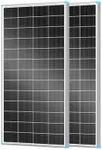
SUNGOLDPOWER 10PCS 500W Solar Panel

SGPWOSAY

SUNGOLDPOWER 10PCS 500W Solar Panels Monocrystalline UL 61730, Grade A Solar Cell, Waterproof IP68, High Efficiency Solar Panel On/Off Grid Supplies for RV, Tiny house, Marine, Household (Total 5000W)
View on Amazon
#4
SUNGOLDPOWER UL61730 N-type 10PCS 5

SGPWOSAY

SUNGOLDPOWER UL61730 N-type 10PCS 590W Bifacial Solar Panels,16BB High Efficiency Monocrystalline Solar panel for Energy Storage,Charging Station, Household,On/Off Grid Solar System (10x590W Bifacial)

View on Amazon
#5
Renogy N-Type 400 Watt Solar Panel,

Renogy

18%OFF

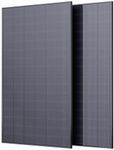
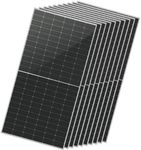
Renogy N-Type 400 Watt Solar Panel, 2Pcs 200W Solar Panels for 12V/24V Systems 25% High-Efficiency, PV Module Power Charger for RV Marine Cabin Roof Home Farm Battery
View on Amazon
#6
JJN 550 Watt Bifacial Solar Panels

JJN

14%OFF

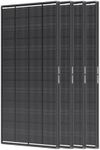
JJN 550 Watt Bifacial Solar Panels 2PCS,12/24/48 Volt 1100 Watt Solar Panel,Monocrystalline for Homes Rooftop Farm RV and Off-Grid Applications

View on Amazon
#7
Callsun N-Type 16BB 400W Bifacial S

Callsun

10%OFF

editor-choice-ribbon

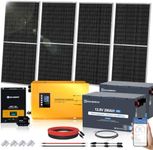
Callsun N-Type 16BB 400W Bifacial Solar Panel, 2Pcs 200 Watt Solar Panel 12V, 25% High Efficiency, Dual-Module Parallel Anti-Shade Design, for RV Van Marine Home Rooftop Off-Grid Systems
View on Amazon
#8
SUNGOLDPOWER UL61730 450W Solar Pan

SGPWATT

SUNGOLDPOWER UL61730 450W Solar Panel 8PCS,Monocrystalline,Class A Cell,Rigid,High Efficiency,Charging 12V/24V/48V Solar System,for Rooftop,Farm,On and Off Grid,CEC Listed(Total 3600W)

View on Amazon
#9
SUNGOLDPOWER 16BB N-Type 6pcs 560W

SGPWOSAY

SUNGOLDPOWER 16BB N-Type 6pcs 560W Bifacial PERC Solar Panels Monocrystalline, High Efficiency up to 30%, High Power PV Module for Off-Grid, Residential & Commercial Solar Systems(6pcs 560W Bifacial)

View on Amazon
#10
JJN Bifacial 2PCS 400 Watt Solar Pa

JJN

JJN Bifacial 2PCS 400 Watt Solar Panel, N-Type 16BB 400W Solar Panels, 25% High Efficiency Monocrystalline Solar Module for 12V/24V/48V PV System for Homes Rooftop Farm RV and Off-Grid Applications

View on Amazon
How do we rank products for you?

Our technology thoroughly searches through the online shopping world, reviewing hundreds of sites. We then process and analyze this information, updating in real-time to bring you the latest top-rated products. This way, you always get the best and most current options available.

headphones-stars

Most Popular Categories Right Now

Buying Guide for the Best Solar Panels

Choosing the right solar panels for your needs can be a bit overwhelming, but with the right information, you can make an informed decision. Solar panels are a long-term investment, so it's important to consider various factors to ensure you get the best performance and value. Here are some key specifications to consider when selecting solar panels, along with explanations to help you understand their importance and how to choose the right ones for you.
EfficiencyEfficiency refers to the percentage of sunlight that a solar panel can convert into usable electricity. This is important because higher efficiency panels can generate more power in a smaller space, which is ideal if you have limited roof space. Efficiency values typically range from around 15% to over 22%. If you have ample space, lower efficiency panels might be sufficient, but if space is limited, higher efficiency panels will be more beneficial.
Power OutputPower output, measured in watts (W), indicates the amount of electricity a solar panel can produce under standard test conditions. This is crucial because it determines how much energy you can generate. Panels usually range from 250W to 400W. If you have high energy needs or limited installation space, opt for panels with higher power output. For average energy consumption and ample space, panels with lower power output might be adequate.
Durability and WarrantyDurability and warranty are indicators of how long the solar panels are expected to last and how well they can withstand environmental conditions. This is important for ensuring long-term reliability and performance. Warranties typically range from 10 to 25 years. Look for panels with longer warranties and those that are certified to withstand harsh weather conditions if you live in an area prone to extreme weather.
Temperature CoefficientThe temperature coefficient measures how well a solar panel performs in high temperatures. This is important because solar panels can lose efficiency as temperatures rise. The coefficient is usually expressed as a percentage per degree Celsius. Lower values indicate better performance in hot climates. If you live in a hot area, choose panels with a lower temperature coefficient to ensure better performance.
Type of Solar CellsThere are mainly three types of solar cells: monocrystalline, polycrystalline, and thin-film. Monocrystalline panels are known for their high efficiency and sleek appearance but are usually more expensive. Polycrystalline panels are less efficient but more affordable. Thin-film panels are the least efficient but are flexible and lightweight. Choose monocrystalline if you need high efficiency and have a higher budget, polycrystalline for a balance of cost and efficiency, and thin-film if you need lightweight and flexible panels.
Size and WeightThe size and weight of solar panels are important for installation and roof compatibility. Larger and heavier panels might be more challenging to install and may require a stronger roof structure. Panels come in various sizes, typically ranging from 60 to 72 cells. Ensure that the panels you choose fit your roof space and that your roof can support their weight. If you have a smaller or weaker roof, opt for smaller and lighter panels.