Buying Guide for the Best Solar Heaters For Inground Pools
Choosing the right solar heater for your inground pool can significantly enhance your swimming experience by extending the swimming season and maintaining a comfortable water temperature. Solar heaters are an eco-friendly and cost-effective way to heat your pool, utilizing the sun's energy to warm the water. When selecting a solar heater, it's important to consider several key specifications to ensure you get the best fit for your needs. Understanding these specifications will help you make an informed decision and enjoy your pool to the fullest.Heating CapacityHeating capacity refers to the amount of heat the solar heater can generate and transfer to your pool water. This is important because it determines how effectively and quickly your pool will be heated. Heating capacity is often measured in BTUs (British Thermal Units) per hour. For smaller pools, a lower BTU rating may suffice, while larger pools will require a higher BTU rating to achieve the desired temperature. Consider the size of your pool and the average temperature you wish to maintain when choosing the heating capacity.
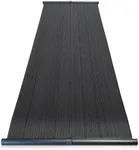
Collector AreaThe collector area is the surface area of the solar panels that capture and convert sunlight into heat. This is crucial because a larger collector area can absorb more sunlight, leading to more efficient heating. Collector areas are typically measured in square feet. For smaller pools, a smaller collector area may be adequate, but larger pools will benefit from a larger collector area to ensure sufficient heating. Assess the size of your pool and the amount of sunlight your location receives to determine the appropriate collector area.
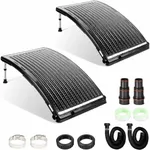
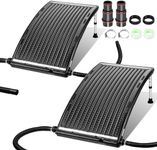
Installation and CompatibilityInstallation and compatibility refer to how easy it is to set up the solar heater and whether it is compatible with your existing pool system. This is important because a complicated installation process can be time-consuming and may require professional assistance, adding to the overall cost. Look for solar heaters that come with clear instructions and all necessary components for installation. Additionally, ensure that the solar heater is compatible with your pool's pump and filtration system to avoid any operational issues.
Durability and MaterialsDurability and materials pertain to the construction quality of the solar heater and its ability to withstand various weather conditions. This is important because a durable solar heater will have a longer lifespan and require less maintenance. Solar heaters are typically made from materials like polypropylene, PVC, or rubber, which are resistant to UV rays and corrosion. Consider the climate in your area and choose a solar heater made from materials that can endure the local weather conditions to ensure longevity.
EfficiencyEfficiency refers to how effectively the solar heater converts sunlight into heat and transfers it to the pool water. This is important because a more efficient solar heater will provide better heating performance and reduce the time needed to warm the pool. Efficiency can be influenced by factors such as the design of the solar panels and the quality of the materials used. Look for solar heaters with high efficiency ratings and consider the typical amount of sunlight your pool area receives to select a model that will perform well in your environment.
Warranty and SupportWarranty and support refer to the manufacturer's guarantee and the availability of customer service for the solar heater. This is important because a good warranty can provide peace of mind and protect your investment in case of defects or issues. Warranties can vary in length and coverage, so it's essential to read the terms carefully. Additionally, consider the reputation of the manufacturer and the availability of customer support to ensure you can get assistance if needed. Choose a solar heater with a comprehensive warranty and reliable support to ensure a smooth ownership experience.