Buying Guide for the Best Snowboard Binding
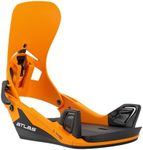
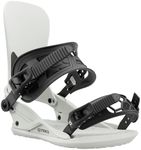
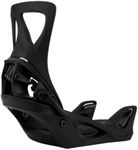
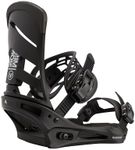
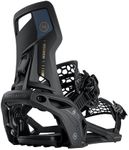
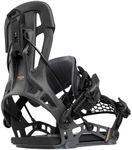
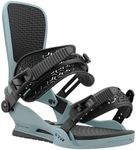
Choosing the right snowboard bindings is crucial for your overall snowboarding experience. Bindings are the connection between you and your snowboard, and they play a significant role in your control, comfort, and performance on the slopes. To make an informed decision, you need to understand the key specifications and how they align with your snowboarding style, skill level, and personal preferences.FlexFlex refers to how stiff or soft the bindings are. This spec is important because it affects your control and comfort. Soft flex bindings are more forgiving and comfortable, making them ideal for beginners and freestyle riders who prioritize flexibility and ease of movement. Medium flex bindings offer a balance of support and flexibility, suitable for all-mountain riders who want versatility. Stiff flex bindings provide maximum support and responsiveness, perfect for advanced riders and those who prefer high-speed carving or aggressive riding. Choose the flex based on your riding style and skill level.
Strap SystemThe strap system secures your boots to the bindings and can impact both comfort and performance. Traditional two-strap systems, with separate ankle and toe straps, offer customizable fit and are widely used. Speed-entry systems, which allow you to slide your foot in from the back, provide quicker entry and exit but may offer less customization. Hybrid systems combine elements of both for a balance of convenience and fit. Consider how much time you want to spend strapping in and how important a customized fit is to you when choosing a strap system.
BaseplateThe baseplate is the part of the binding that connects to the snowboard. It affects the binding's overall responsiveness and cushioning. Baseplates made from materials like plastic or composite are lighter and more flexible, suitable for freestyle and beginner riders. Metal or carbon fiber baseplates are stiffer and more responsive, ideal for advanced riders seeking precision and control. Think about your riding style and how much responsiveness you need when selecting a baseplate material.
HighbackThe highback is the vertical plate that supports your calf and provides leverage for heel-side turns. Highbacks come in varying heights and flexibilities. Taller, stiffer highbacks offer more support and control, beneficial for aggressive riding and carving. Shorter, softer highbacks provide more freedom of movement, preferred by freestyle riders. Consider your riding style and how much support you need for heel-side maneuvers when choosing a highback.
CompatibilityCompatibility refers to how well the bindings fit with your snowboard and boots. Most bindings are designed to fit standard snowboard mounting systems, but some brands have proprietary systems. Ensure that the bindings you choose are compatible with your snowboard's mounting pattern (e.g., 4x4, 2x4, Channel) and that they fit your boot size. Check the manufacturer's specifications to avoid any compatibility issues.
CushioningCushioning in bindings helps absorb shocks and vibrations, enhancing comfort and reducing fatigue. Different bindings offer varying levels of cushioning, often through materials like EVA foam or gel pads. More cushioning is beneficial for freestyle riders who land jumps and tricks, as well as for all-mountain riders who want a smoother ride. If you prioritize comfort and shock absorption, look for bindings with ample cushioning.