Buying Guide for the Best Snow Goggles Over Glasses
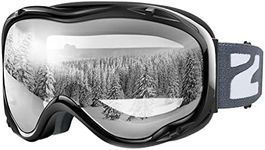
When choosing snow goggles that fit over glasses, it's important to consider several key specifications to ensure comfort, visibility, and protection. Snow goggles are essential for protecting your eyes from the harsh elements of snow sports, such as wind, snow, and UV rays. For those who wear prescription glasses, finding the right pair of over-the-glasses (OTG) snow goggles is crucial for a comfortable and enjoyable experience on the slopes. Here are the key specs to consider and how to choose the best fit for you.Fit and ComfortFit and comfort are crucial when selecting OTG snow goggles. This spec ensures that the goggles fit well over your glasses without causing discomfort or pressure points. Look for goggles with a spacious frame and adjustable straps to accommodate different head sizes and shapes. The foam padding should be soft and thick enough to create a comfortable seal around your face. Try on different models to find one that fits well with your glasses and feels comfortable for extended wear.
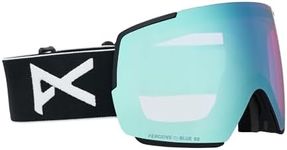
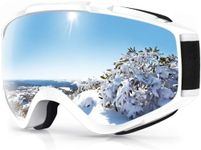
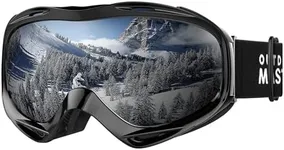
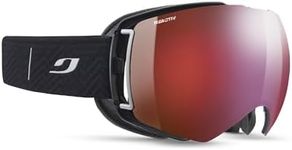
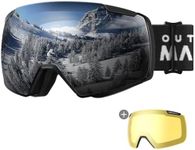
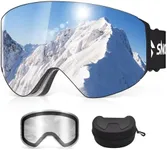
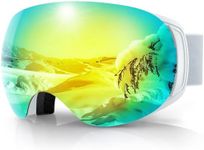
Lens Type and TintThe lens type and tint of snow goggles affect your visibility and eye protection. Lenses come in various tints and colors, each suited for different light conditions. For bright, sunny days, darker tints like black or gray are ideal as they reduce glare. For overcast or low-light conditions, lighter tints like yellow or rose enhance contrast and visibility. Some lenses are photochromic, meaning they adjust to changing light conditions. Consider the typical weather conditions you'll be skiing or snowboarding in and choose a lens tint that matches those conditions.
Anti-Fog and VentilationAnti-fog and ventilation features are essential to prevent your goggles from fogging up, which can obstruct your vision. Look for goggles with anti-fog coatings on the lenses and adequate ventilation systems to allow airflow. Dual-pane lenses are also effective in reducing fogging. If you tend to ski or snowboard in humid or variable weather conditions, prioritize goggles with superior anti-fog and ventilation capabilities to maintain clear vision.
UV ProtectionUV protection is a critical spec for snow goggles as it shields your eyes from harmful ultraviolet rays. Prolonged exposure to UV rays can cause eye damage, so it's important to choose goggles that offer 100% UV protection. Most high-quality snow goggles come with built-in UV protection, but it's always good to check the specifications to ensure your eyes are fully protected while on the slopes.
Helmet CompatibilityHelmet compatibility ensures that your snow goggles fit well with your ski or snowboard helmet. This spec is important for both safety and comfort. Look for goggles with an adjustable strap that can fit around your helmet and a frame design that integrates seamlessly with it. Some goggles are specifically designed to be helmet-compatible, providing a secure and comfortable fit. If you wear a helmet, bring it with you when trying on goggles to ensure a good fit.
Peripheral VisionPeripheral vision is the field of view provided by the goggles. A wider field of view allows you to see more of your surroundings, which is important for safety and awareness on the slopes. Look for goggles with a large, spherical lens design that offers an expansive view. If you participate in fast-paced or crowded snow sports, prioritize goggles with excellent peripheral vision to enhance your situational awareness.