Buying Guide for the Best Smart Vents Hvac
When it comes to picking the right smart vents for your HVAC system, it's important to understand how these devices can improve your home's comfort and energy efficiency. Smart vents allow you to control the airflow in different rooms, ensuring that each space is heated or cooled according to your preferences. This can lead to a more balanced temperature throughout your home and potentially lower energy bills. To make an informed decision, you need to consider several key specifications that will determine how well the smart vents will meet your needs.CompatibilityCompatibility refers to whether the smart vent can work with your existing HVAC system and smart home ecosystem. This is crucial because not all smart vents are designed to work with every type of HVAC system or smart home platform. To navigate this, first check the type of HVAC system you have (e.g., central air, ductless, etc.) and ensure the smart vent is compatible with it. Additionally, if you use a smart home platform like Alexa, Google Home, or Apple HomeKit, make sure the smart vent can integrate with it. Picking the right one involves verifying these compatibility aspects to ensure seamless operation and control.
Size and FitSize and fit refer to the dimensions of the smart vent and how well it will fit into your existing vent openings. This is important because a vent that doesn't fit properly can lead to air leaks and reduced efficiency. To navigate this, measure the dimensions of your current vents (length, width, and depth) and compare them to the smart vent's specifications. Smart vents typically come in standard sizes, but it's essential to double-check. Picking the right one involves ensuring the smart vent matches your vent openings for a snug and effective fit.
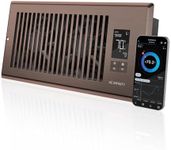
Control OptionsControl options refer to the different ways you can manage and adjust the smart vent settings. This is important because it affects how easily you can use the device to control airflow and temperature. Common control options include smartphone apps, voice commands, and integration with smart thermostats. To navigate this, consider how you prefer to control your smart home devices. If you like using your phone, look for a smart vent with a robust app. If you prefer voice commands, ensure it supports your voice assistant. Picking the right one involves choosing a smart vent with control options that match your usage habits.
Sensors and AutomationSensors and automation refer to the smart vent's ability to detect room conditions and adjust airflow automatically. This is important because it can enhance comfort and energy efficiency by responding to real-time changes in temperature, occupancy, and air quality. To navigate this, look for smart vents with built-in sensors for temperature, humidity, and occupancy. Some models also offer advanced features like learning algorithms that adapt to your preferences over time. Picking the right one involves selecting a smart vent with the level of automation and sensor capabilities that align with your comfort and efficiency goals.
Power SourcePower source refers to how the smart vent is powered, which can affect installation and maintenance. This is important because different power sources have different implications for convenience and reliability. Common power sources include batteries, hardwiring, or even solar power. To navigate this, consider the ease of installation and how often you are willing to replace or recharge batteries. Battery-powered vents are easier to install but require regular maintenance, while hardwired options are more permanent but may need professional installation. Picking the right one involves choosing a power source that fits your installation preferences and maintenance willingness.
Noise LevelNoise level refers to the amount of sound the smart vent produces during operation. This is important because excessive noise can be disruptive, especially in quiet environments like bedrooms or offices. To navigate this, check the manufacturer's specifications for noise levels, often measured in decibels (dB). Lower decibel ratings indicate quieter operation. Picking the right one involves considering where the vent will be installed and choosing a model with a noise level that won't disturb the peace in that particular room.