Buying Guide for the Best Small GPS Trackers
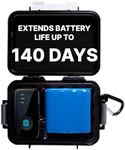
When choosing a small GPS tracker, it's important to consider your specific needs and how the device will be used. Whether you're tracking a vehicle, a pet, or a personal item, understanding the key specifications will help you make an informed decision. Here are some important factors to consider when selecting a small GPS tracker.Battery LifeBattery life refers to how long the GPS tracker can operate on a single charge. This is crucial because it determines how often you'll need to recharge the device. Battery life can range from a few hours to several weeks. If you need continuous tracking for long periods, look for a tracker with a longer battery life. For occasional use, a shorter battery life may be sufficient. Consider your usage pattern to decide the appropriate battery life for your needs.
Size and WeightThe size and weight of the GPS tracker are important, especially if you plan to use it on small items or pets. A smaller, lighter tracker is less obtrusive and easier to attach to various objects. However, smaller devices may have shorter battery life or fewer features. If discretion and portability are key, opt for a compact and lightweight model. For less sensitive applications, a slightly larger device with more features might be acceptable.
Tracking AccuracyTracking accuracy indicates how precisely the GPS tracker can determine its location. High accuracy is essential for applications where precise location data is critical, such as tracking valuable items or ensuring the safety of loved ones. Accuracy can vary based on the technology used and the environment. For urban areas with tall buildings, look for a tracker with advanced GPS technology that can maintain accuracy. For open areas, standard accuracy may suffice.
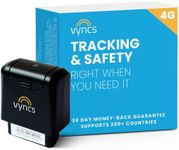
ConnectivityConnectivity refers to how the GPS tracker communicates its location data. Common options include cellular networks, Wi-Fi, and Bluetooth. Cellular connectivity offers wide coverage but may require a subscription plan. Wi-Fi and Bluetooth are suitable for short-range tracking and can be more cost-effective. Choose a connectivity option based on where you plan to use the tracker and how frequently you need location updates.
Durability and WaterproofingDurability and waterproofing are important if the GPS tracker will be exposed to harsh conditions or used outdoors. A durable, waterproof tracker can withstand drops, impacts, and exposure to water, making it suitable for tracking pets, vehicles, or outdoor equipment. Check the device's durability rating and waterproof level to ensure it meets your needs. For indoor use or less demanding environments, these features may be less critical.
GeofencingGeofencing allows you to set virtual boundaries and receive alerts when the tracker enters or exits these areas. This feature is useful for monitoring the movement of children, pets, or valuable items. Geofencing can provide peace of mind by notifying you of any unexpected movements. If you need to monitor specific zones, look for a tracker with customizable geofencing capabilities.
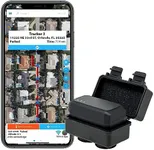
App and User InterfaceThe app and user interface determine how easy it is to use the GPS tracker and access its features. A user-friendly app with clear maps, real-time tracking, and easy-to-set alerts can enhance your experience. Check for compatibility with your smartphone and read reviews to ensure the app is reliable and intuitive. A good user interface can make managing the tracker more convenient and efficient.