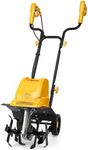
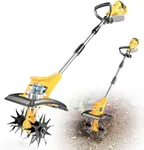
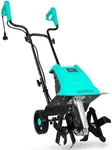
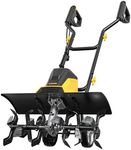
Buying Guide for the Best Small Gas Tiller
Choosing the right small gas tiller can make a significant difference in your gardening experience. A small gas tiller is ideal for preparing garden beds, mixing in soil amendments, and maintaining your garden. When selecting a tiller, it's important to consider various specifications to ensure it meets your needs and preferences. Here are some key specs to look at and how to navigate them.Engine PowerEngine power, measured in horsepower (HP) or cubic centimeters (cc), determines the tiller's ability to break through tough soil. Higher engine power means more strength and efficiency in tilling. For small gardens or light soil, an engine with lower power (under 50cc) is sufficient. For larger gardens or heavier soil, you might need a more powerful engine (50cc and above). Consider the size and type of your garden to choose the right engine power.
Tilling WidthTilling width refers to the width of the area the tiller can cover in one pass. This is important because it affects how quickly you can complete your tilling tasks. Smaller widths (8-12 inches) are suitable for narrow garden beds and tight spaces, while wider widths (12-16 inches) are better for larger areas. Choose a tilling width based on the size of your garden and the spaces you need to navigate.
Tilling DepthTilling depth indicates how deep the tiller can dig into the soil. This is crucial for preparing the soil for planting and ensuring proper root growth. Shallow tilling depths (4-6 inches) are adequate for most garden beds, while deeper tilling (6-8 inches or more) is necessary for root vegetables and larger plants. Consider the types of plants you intend to grow to determine the appropriate tilling depth.
WeightThe weight of the tiller affects its maneuverability and ease of use. Lighter tillers (under 30 pounds) are easier to handle and transport, making them ideal for small gardens and users who may not have much physical strength. Heavier tillers (30-50 pounds) provide more stability and are better suited for larger gardens and tougher soil conditions. Think about your physical capabilities and the size of your garden when choosing the weight of your tiller.
Handle DesignHandle design impacts comfort and control while using the tiller. Ergonomic handles with adjustable heights and cushioned grips can reduce strain and make the tiller easier to operate. Fixed handles may be less comfortable for extended use. If you plan to use the tiller frequently or for long periods, look for a model with a comfortable and adjustable handle design.
Fuel Tank CapacityFuel tank capacity determines how long the tiller can run before needing a refill. Larger tanks allow for longer operation times, which is beneficial for larger gardens or extended tilling sessions. Smaller tanks are sufficient for quick tasks and smaller areas. Consider how long you typically work in your garden and choose a fuel tank capacity that matches your needs.