Buying Guide for the Best Siphon Coffee Maker
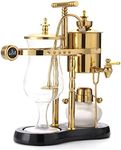
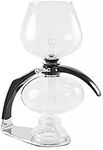
Choosing the right siphon coffee maker can be a delightful journey into the world of coffee brewing. Siphon coffee makers, also known as vacuum coffee makers, use a fascinating process that combines immersion and vacuum pressure to brew coffee. This method is known for producing a clean, crisp, and flavorful cup of coffee. When selecting a siphon coffee maker, it's important to consider several key specifications to ensure you get the best fit for your needs and preferences.CapacityCapacity refers to the amount of coffee the siphon coffee maker can brew at one time, usually measured in cups or milliliters. This is important because it determines how much coffee you can make in a single brew. If you often brew coffee for multiple people or enjoy several cups yourself, a larger capacity (e.g., 8 cups or 1000ml) would be ideal. For personal use or smaller servings, a smaller capacity (e.g., 3-5 cups or 300-500ml) would suffice. Consider your daily coffee consumption and the number of people you typically serve to choose the right capacity.
MaterialSiphon coffee makers are typically made from glass, stainless steel, or a combination of both. The material affects durability, heat retention, and aesthetics. Glass siphon coffee makers are visually appealing and allow you to watch the brewing process, but they can be fragile. Stainless steel models are more durable and retain heat well, but they may not offer the same visual experience. If you value the brewing spectacle and are careful with handling, glass is a great choice. For a more robust and practical option, consider stainless steel or a combination of materials.
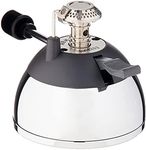
Heat SourceThe heat source is what heats the water in the lower chamber of the siphon coffee maker. Common heat sources include alcohol burners, butane burners, and electric heaters. The choice of heat source affects convenience and control over the brewing process. Alcohol burners are traditional and provide a steady heat but require careful handling and refilling. Butane burners offer more control and faster heating but need butane canisters. Electric heaters are convenient and easy to use but may limit portability. Choose a heat source based on your preference for control, convenience, and where you plan to use the coffee maker.
Ease of CleaningEase of cleaning is an important consideration because it affects how much effort you need to put into maintaining your siphon coffee maker. Some models have detachable parts that are dishwasher safe, making cleaning easier. Others may require more manual cleaning due to intricate parts. If you prefer a low-maintenance option, look for models with fewer parts and dishwasher-safe components. If you don't mind spending a bit more time on cleaning for a superior brewing experience, more complex models can be considered. Think about how much time and effort you're willing to invest in cleaning when making your choice.
Filter TypeThe filter type in a siphon coffee maker can be cloth, metal, or paper. The filter affects the clarity and flavor of the coffee. Cloth filters are reusable and produce a clean cup with rich flavors but require thorough cleaning and maintenance. Metal filters are also reusable, easy to clean, and allow more oils and fine particles through, resulting in a fuller-bodied coffee. Paper filters are disposable, convenient, and produce a very clean cup but can strip some oils and flavors. Choose a filter type based on your preference for coffee clarity, flavor, and ease of maintenance.