Buying Guide for the Best Shower Faucets
Choosing the right shower faucet can significantly enhance your showering experience. It's important to consider various factors such as functionality, design, and compatibility with your existing plumbing. By understanding the key specifications, you can make an informed decision that meets your needs and preferences.Type of Shower FaucetShower faucets come in different types, including single-handle, double-handle, and thermostatic. Single-handle faucets control both temperature and flow with one lever, making them easy to use. Double-handle faucets have separate controls for hot and cold water, offering more precise temperature adjustments. Thermostatic faucets maintain a constant water temperature, providing a safer and more comfortable shower experience. Choose the type that best suits your preference for ease of use and temperature control.
MaterialThe material of the shower faucet affects its durability and appearance. Common materials include brass, stainless steel, and plastic. Brass is highly durable and resistant to corrosion, making it a long-lasting option. Stainless steel is also durable and has a sleek, modern look. Plastic is more affordable but less durable. Consider the material based on your preference for longevity and style.
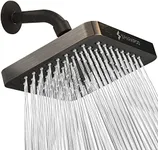
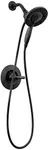
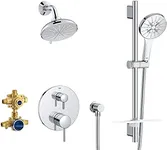
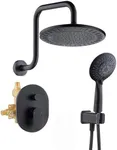
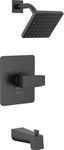
FinishThe finish of the shower faucet contributes to the overall aesthetic of your bathroom. Popular finishes include chrome, brushed nickel, oil-rubbed bronze, and matte black. Chrome is shiny and easy to clean, while brushed nickel has a softer, more muted look. Oil-rubbed bronze offers a vintage feel, and matte black provides a contemporary, bold appearance. Choose a finish that complements your bathroom decor and personal style.
Flow RateThe flow rate of a shower faucet is measured in gallons per minute (GPM) and determines how much water flows through the faucet. Standard flow rates range from 1.5 to 2.5 GPM. A higher flow rate provides a more powerful shower experience, while a lower flow rate conserves water. Consider your preference for water pressure and your desire to save water when choosing the flow rate.
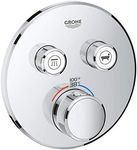
Valve TypeThe valve type controls the water flow and temperature in your shower. Common valve types include pressure-balancing and thermostatic valves. Pressure-balancing valves maintain a consistent water temperature by adjusting the flow of hot and cold water, preventing sudden temperature changes. Thermostatic valves allow you to set a specific temperature, providing precise control and safety. Choose a valve type based on your need for temperature stability and control.
Installation CompatibilityIt's important to ensure that the shower faucet you choose is compatible with your existing plumbing and shower setup. Some faucets are designed for specific types of installations, such as wall-mounted or ceiling-mounted. Additionally, consider whether the faucet requires any special plumbing modifications. Check the specifications and consult with a professional if needed to ensure a smooth installation process.
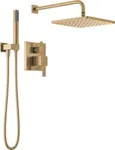
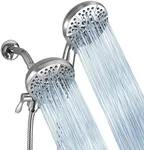
Additional FeaturesSome shower faucets come with additional features such as built-in diverters, handheld showerheads, or multiple spray settings. Built-in diverters allow you to switch between different water outlets, such as a showerhead and a bathtub spout. Handheld showerheads offer flexibility and ease of use, especially for cleaning or bathing children and pets. Multiple spray settings provide a customizable shower experience. Consider these features based on your specific needs and preferences.