Buying Guide for the Best Sewing Cabinets
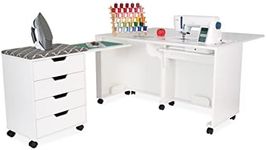
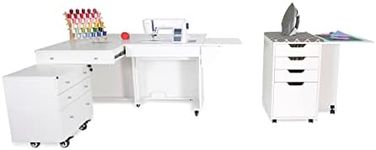
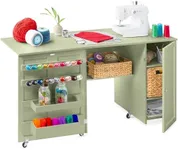
Choosing the right sewing cabinet is essential for creating a comfortable and efficient sewing space. A good sewing cabinet not only provides a dedicated area for your sewing machine but also offers storage for your sewing supplies and helps keep your workspace organized. When selecting a sewing cabinet, consider your sewing habits, the space available in your home, and the features that will best support your projects. Here are some key specifications to consider when choosing a sewing cabinet.Size and DimensionsThe size and dimensions of a sewing cabinet are crucial because they determine how well it will fit in your available space and how comfortable it will be to use. Measure the area where you plan to place the cabinet and ensure that the cabinet's dimensions will fit comfortably. If you have a small space, look for a compact or foldable cabinet. For larger spaces, you might prefer a more expansive cabinet with additional work surfaces. Consider your sewing projects and how much space you need to work efficiently.
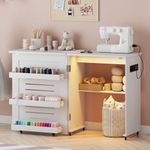
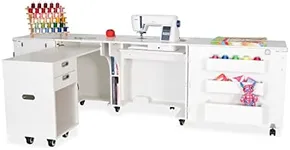
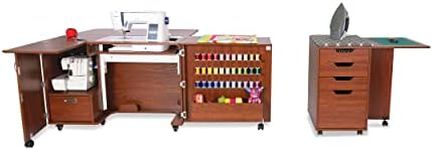
Storage OptionsStorage options in a sewing cabinet are important for keeping your sewing supplies organized and easily accessible. Look for cabinets with drawers, shelves, and compartments that can accommodate your tools, fabrics, and accessories. Some cabinets have specialized storage for thread spools, bobbins, and other small items. Think about the types of supplies you use most frequently and choose a cabinet with storage solutions that will keep everything within reach and neatly organized.
Sewing Machine CompatibilitySewing machine compatibility refers to whether the cabinet can accommodate your specific sewing machine model. Check the cabinet's platform size and weight capacity to ensure it can support your machine. Some cabinets have adjustable platforms that can fit a variety of machine sizes, while others are designed for specific models. Make sure the cabinet you choose can securely hold your machine and provide a stable work surface.
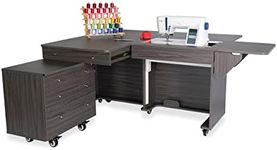
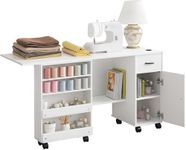
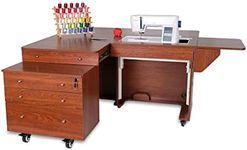
Work SurfaceThe work surface of a sewing cabinet is where you will do most of your sewing, so it's important that it is spacious and comfortable. Consider the material and finish of the work surface, as well as its size. A smooth, durable surface is ideal for sewing, cutting, and assembling projects. If you work on large projects, look for a cabinet with an extended or expandable work surface. Think about how much space you need to spread out your materials and choose a cabinet that provides ample room.
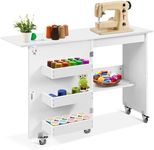
Portability and MobilityPortability and mobility are important if you need to move your sewing cabinet around your home or if you plan to take it to sewing classes or events. Some cabinets come with wheels or casters, making them easy to move. Check if the wheels can be locked to keep the cabinet stable while you work. If you need a portable option, look for a lightweight cabinet that can be easily transported. Consider how often you will need to move the cabinet and choose one that meets your mobility needs.
Assembly and ConstructionThe assembly and construction of a sewing cabinet affect its durability and ease of setup. Look for cabinets made from high-quality materials like solid wood or sturdy MDF. Check the assembly instructions to see if you can put it together yourself or if you will need assistance. Some cabinets come pre-assembled, while others require more extensive assembly. Consider your DIY skills and the time you have available for setup. A well-constructed cabinet will provide a stable and long-lasting workspace.
Aesthetic and DesignThe aesthetic and design of a sewing cabinet can enhance the overall look of your sewing space and make it a more enjoyable place to work. Choose a cabinet that matches your personal style and complements your home decor. Consider the color, finish, and design details. Some cabinets have a traditional look, while others are more modern. Think about how the cabinet will fit into your existing space and choose one that you find visually appealing and inspiring.