Buying Guide for the Best Sesame Oils
Choosing the right sesame oil can greatly enhance your cooking and health. Sesame oil is known for its rich, nutty flavor and numerous health benefits. When selecting sesame oil, it's important to consider various factors such as the type of sesame oil, its extraction method, and its intended use. Understanding these key specifications will help you make an informed decision that best suits your needs and preferences.Type of Sesame OilSesame oil comes in two main types: toasted (or roasted) and untoasted (or raw). Toasted sesame oil is made from roasted sesame seeds and has a strong, nutty flavor, making it ideal for finishing dishes or adding flavor to dressings and marinades. Untoasted sesame oil is made from raw sesame seeds and has a milder flavor, making it suitable for cooking at higher temperatures. Choose toasted sesame oil if you want a robust flavor for finishing dishes, and untoasted sesame oil for general cooking purposes.
Extraction MethodSesame oil can be extracted using different methods, including cold-pressed, expeller-pressed, and refined. Cold-pressed sesame oil is extracted without heat, preserving its natural nutrients and flavor, making it a healthier option. Expeller-pressed oil is extracted using mechanical pressure, which may involve some heat, but it still retains much of its nutritional value. Refined sesame oil undergoes additional processing to remove impurities, resulting in a more neutral flavor and higher smoke point. Choose cold-pressed for maximum health benefits, expeller-pressed for a balance of flavor and nutrition, and refined for high-heat cooking.
Smoke PointThe smoke point of an oil is the temperature at which it starts to smoke and break down, producing harmful compounds. Sesame oil has varying smoke points depending on its type and extraction method. Untoasted sesame oil typically has a higher smoke point (around 410°F or 210°C), making it suitable for frying and sautéing. Toasted sesame oil has a lower smoke point (around 350°F or 175°C) and is best used for low-heat cooking or as a finishing oil. Consider your cooking methods and choose an oil with an appropriate smoke point to ensure safety and flavor.
Flavor ProfileThe flavor profile of sesame oil can range from mild to intense, depending on the type and processing method. Toasted sesame oil has a strong, nutty flavor that can enhance the taste of Asian dishes, salads, and marinades. Untoasted sesame oil has a more subtle flavor, making it versatile for various cuisines and cooking methods. Think about the dishes you plan to prepare and choose an oil that complements the flavors you want to achieve.
Nutritional ContentSesame oil is rich in healthy fats, antioxidants, and vitamins such as vitamin E and K. Cold-pressed and expeller-pressed oils retain more of these nutrients compared to refined oils. If you are looking for health benefits, opt for less processed oils. Additionally, sesame oil contains sesamol and sesamin, compounds known for their anti-inflammatory and antioxidant properties. Consider your dietary needs and health goals when selecting sesame oil with the best nutritional profile.
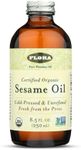
PackagingSesame oil is sensitive to light and heat, which can degrade its quality over time. It is often sold in dark glass bottles to protect it from light exposure. When choosing sesame oil, look for packaging that ensures the oil's freshness and longevity. Proper storage is also important; keep the oil in a cool, dark place to maintain its quality. Choose packaging that offers good protection and consider the size of the bottle based on your usage frequency to ensure you use it while it's still fresh.