We Use CookiesWe use cookies to enhance the security, performance, functionality and for analytical and promotional activities. By continuing to browse this site you are agreeing to our privacy policy

Best Scuba Tank

From leading brands and best sellers available on the web.
#1

Winner

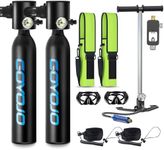
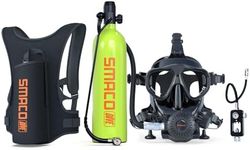
GOYOJO 0.5L Mini Scuba Tank with Pu

GOYOJO

25%OFF

editor-choice-ribbon

GOYOJO 0.5L Mini Scuba Tank with Pump, Portable Diving Tank, Lung Tank Kits with 3000 PSI Max Pressure, Reusable Scuba Diving Kit Gear with Pump Underwater Breathing Training

View on Amazon
#2
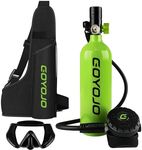
GOYOJO 1L Mini Scuba Tank with Mask

GOYOJO

editor-choice-ribbon

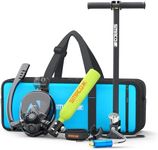
GOYOJO 1L Mini Scuba Tank with Mask – DOT Certified Portable Diving Air Tank, 3000 PSI Max Pressure, Pony Bottle Underwater Breathing Device for Snorkeling & Scuba Diving (Green)
View on Amazon
#3
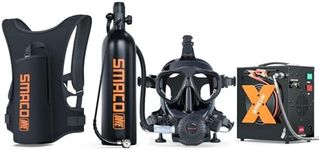
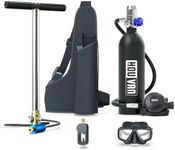
SMACO Mini Scuba Tank with Snorkel

SMACO

SMACO Mini Scuba Tank with Snorkel Mask 0.5L Portable Small Diving Tank with Full Face Diving Mask Lung Air Tank Sub Mask Reusable DOT Certified Pony Bottle for Snorkeling
View on Amazon
#4
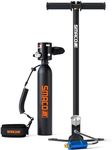
HOUVAN H400 Mini Scuba Tank 1.0L Sc

HOUVAN

5%OFF

editor-choice-ribbon

HOUVAN H400 Mini Scuba Tank 1.0L Scuba Tank Up to 20 Minutes Underwater Breathing Portable Diving Tank with On-Off Valve Reusable Pony Bottle for Underwater Exploration Emergency/Recreation,C-B
View on Amazon
#5
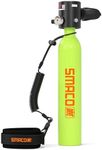
SMACO Mini Scuba Tank 0.5L Portable

SMACO

editor-choice-ribbon

SMACO Mini Scuba Tank 0.5L Portable Small Diving Tank for Underwater Breathing Reusable Diving Cylinder Lung Air Tank for Emergency Rescue Boat Cleaning Backup Air Source Pony Bottle S300 C Black

View on Amazon
#6
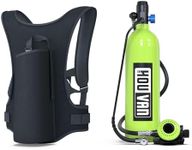
CHIKADIV Mini Scuba Tank with Sub-M

CHIKADIV

13%OFF

CHIKADIV Mini Scuba Tank with Sub-Mask, 0.5L Scuba Tank with Snorkel Mask Lung with Full-face Mask Underwater Breathing Mask E Black
View on Amazon
#7
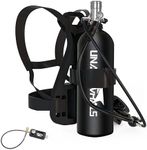
HOUVAN Scuba Tank H700 1.9L Mini Sc

HOUVAN

5%OFF

editor-choice-ribbon

HOUVAN Scuba Tank H700 1.9L Mini Scuba Tank DOT Certified Reusable Diving Cylinder Kit Inflatable Pony Cylinders Up to 30 Minutes Underwater Breath Suitable Within 33ft,B-GN
View on Amazon
#8
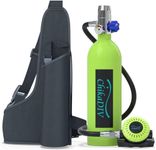
2.3L Mini Scuba Tank, 25-35 Minutes

UNAROWHALS

2.3L Mini Scuba Tank, 25-35 Minutes Diving Lung Tanks, DOT-Certified Scuba Diving Tank, Portable Dive Portable Lungs, 2.3L(16 Cu Ft) Capacity, 3000 Psi Max Pressure, Aluminum Tank, Within 30 Ft
View on Amazon
#9
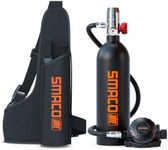
CHIKADIV Mini Scuba Tank,Lung Tank

CHIKADIV

17%OFF

editor-choice-ribbon

CHIKADIV Mini Scuba Tank,Lung Tank for Adults1L Portable Scuba Diving Cylinder up to 20 Minutes Dive Time Small Diving Gear for Emergency Rescue, Underwater Exploration F1 Green
View on Amazon
#10
SMACO Mini Scuba Tank 1L Small Divi

SMACO

SMACO Mini Scuba Tank 1L Small Diving Tank up to 20 Minutes Dive Time Portable Lung Air Tank Diving Oxygen Cylinder Kit for Underwater Exploration Emergency Rescue Pony Bottle S400

View on Amazon
How do we rank products for you?

Our technology thoroughly searches through the online shopping world, reviewing hundreds of sites. We then process and analyze this information, updating in real-time to bring you the latest top-rated products. This way, you always get the best and most current options available.

headphones-stars

Most Popular Categories Right Now

Buying Guide for the Best Scuba Tank

Choosing the right scuba tank is crucial for a safe and enjoyable diving experience. The right tank will depend on your diving style, experience level, and the type of dives you plan to undertake. Understanding the key specifications of scuba tanks will help you make an informed decision that best suits your needs.
MaterialScuba tanks are typically made from either aluminum or steel. Aluminum tanks are more affordable and resistant to corrosion, making them a popular choice for recreational divers. However, they are heavier and have a lower capacity compared to steel tanks. Steel tanks are lighter and can hold more air, which is beneficial for longer or deeper dives. They are also more durable but can be prone to rust if not properly maintained. Choose aluminum if you are a beginner or recreational diver, and steel if you need higher capacity and durability for more advanced or technical diving.
CapacityThe capacity of a scuba tank is measured in cubic feet (cu ft) or liters (L) and indicates the amount of air the tank can hold. Common capacities range from 50 to 120 cu ft. A larger capacity tank allows for longer dive times but is also heavier and bulkier. For recreational diving, a tank with a capacity of 80 cu ft is usually sufficient. If you plan on doing deeper or longer dives, consider a tank with a higher capacity. Your physical strength and comfort with carrying heavier equipment should also guide your choice.
Pressure RatingThe pressure rating of a scuba tank, measured in pounds per square inch (psi) or bar, indicates the maximum pressure the tank can safely hold. Common pressure ratings are 3000 psi (207 bar) for aluminum tanks and 3442 psi (237 bar) for high-pressure steel tanks. Higher pressure tanks can hold more air in a smaller size, which is advantageous for technical diving. For recreational diving, a standard 3000 psi tank is usually adequate. Choose a higher pressure rating if you need more air capacity in a compact size and are comfortable handling the higher pressure.
Buoyancy CharacteristicsBuoyancy characteristics refer to how the tank affects your buoyancy underwater. Aluminum tanks tend to become positively buoyant as they empty, meaning they will float more. Steel tanks, on the other hand, remain negatively buoyant or neutral throughout the dive. This can affect your buoyancy control and the amount of weight you need to carry. If you prefer a more stable buoyancy throughout your dive, a steel tank may be a better choice. Consider your buoyancy control skills and how much weight you are comfortable carrying when choosing between aluminum and steel.
Size and WeightThe size and weight of a scuba tank can impact your comfort and mobility both on land and underwater. Larger tanks provide more air but are heavier and bulkier, which can be challenging to handle, especially for smaller or less experienced divers. Smaller tanks are lighter and easier to manage but offer less air. Consider your physical strength, the type of diving you plan to do, and how much air you need when choosing the size and weight of your tank. It's important to find a balance between air capacity and ease of handling.