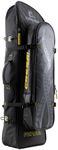
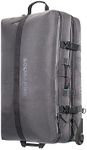
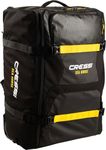
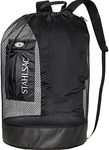
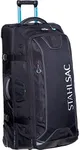
Buying Guide for the Best Scuba Bags
Choosing the right scuba bag is essential for any diver, as it helps in organizing, protecting, and transporting your gear efficiently. When selecting a scuba bag, consider the type of diving you do, the amount of gear you need to carry, and how you will be traveling. Here are some key specifications to consider when picking the best scuba bag for your needs.Size and CapacitySize and capacity refer to how much gear the bag can hold. This is important because you need a bag that can accommodate all your diving equipment, including wetsuits, fins, masks, and other accessories. Bags come in various sizes, from small carry-on options to large duffel bags. If you are a recreational diver with minimal gear, a smaller bag may suffice. However, if you are a technical diver or travel frequently with a lot of equipment, a larger bag with more capacity will be necessary.
Material and DurabilityThe material and durability of a scuba bag determine how well it can withstand the harsh conditions of diving environments, such as saltwater, sand, and rough handling. Common materials include nylon, polyester, and PVC. Nylon and polyester are lightweight and resistant to wear and tear, while PVC offers waterproof protection. If you dive frequently or in challenging conditions, opt for a bag made from durable, high-quality materials to ensure it lasts longer and protects your gear effectively.
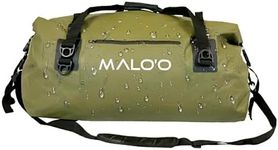
WaterproofingWaterproofing is crucial for keeping your gear dry and protected from water damage. Some bags are fully waterproof, while others are water-resistant. Fully waterproof bags are ideal for protecting sensitive equipment like electronics and cameras, while water-resistant bags are suitable for general gear that can handle some moisture. Consider the type of gear you carry and the conditions you dive in to determine the level of waterproofing you need.
Compartments and OrganizationCompartments and organization features help you keep your gear organized and easily accessible. Look for bags with multiple compartments, pockets, and dividers to separate different items and prevent them from getting tangled or damaged. If you have a lot of small accessories, a bag with several pockets and compartments will help you stay organized. For larger items, a bag with a spacious main compartment and a few additional pockets may be sufficient.
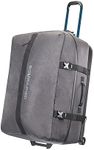
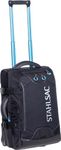
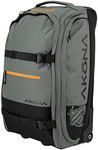
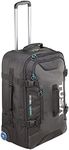
Portability and Ease of TransportPortability and ease of transport are important for carrying your scuba bag to and from dive sites. Features like wheels, backpack straps, and padded handles can make it easier to transport your bag, especially when it's heavy. If you travel frequently, a bag with wheels and a telescoping handle can be very convenient. For shorter trips or shore dives, a backpack-style bag may be more practical. Consider how you will be transporting your bag and choose one with features that suit your needs.
VentilationVentilation is important for preventing mold and mildew from developing on your wet gear. Some bags have mesh panels or ventilation holes that allow air to circulate and help your gear dry faster. If you often pack wet gear or live in a humid climate, a bag with good ventilation will help keep your equipment in better condition. Look for bags with mesh compartments or built-in ventilation to ensure your gear stays fresh and dry.