Buying Guide for the Best Sauna Heaters
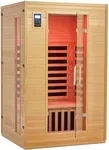
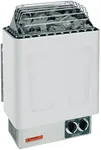
Choosing the right sauna heater is crucial for creating the perfect sauna experience. The heater is the heart of your sauna, providing the necessary heat and ambiance. When selecting a sauna heater, it's important to consider several key specifications to ensure it meets your needs and preferences. Understanding these specifications will help you make an informed decision and enjoy a comfortable and efficient sauna experience.Type of HeaterSauna heaters come in different types, including electric, wood-burning, and infrared. The type of heater you choose will affect the heating method, installation requirements, and overall experience. Electric heaters are popular for their ease of use and consistent heat. Wood-burning heaters offer a traditional experience with a natural wood scent but require more maintenance. Infrared heaters provide a gentle, penetrating heat and are energy-efficient. Consider your preferences for convenience, ambiance, and maintenance when choosing the type of heater.
Power OutputThe power output of a sauna heater, measured in kilowatts (kW), determines how quickly and efficiently it can heat the sauna. The size of your sauna room will guide the appropriate power output. For small saunas (up to 4 cubic meters), a heater with 3-4.5 kW is sufficient. Medium-sized saunas (4-8 cubic meters) typically require 6-8 kW, while large saunas (8-12 cubic meters) may need 9-12 kW. Ensure the heater's power output matches the size of your sauna to achieve optimal heating performance.
Heating TimeHeating time refers to how long it takes for the sauna to reach the desired temperature. This can vary based on the type of heater and its power output. Electric heaters generally heat up quickly, often within 30-60 minutes. Wood-burning heaters may take longer, around 45-90 minutes, depending on the fire's intensity. Infrared heaters provide almost immediate heat but may take 20-30 minutes to warm the entire space. Consider how quickly you want your sauna to be ready for use when evaluating heating time.
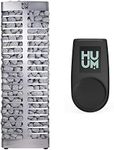
Control OptionsControl options for sauna heaters include manual controls, digital controls, and remote controls. Manual controls are straightforward and reliable, allowing you to adjust the temperature directly on the heater. Digital controls offer more precision and can include programmable settings for temperature and timer functions. Remote controls provide convenience, allowing you to adjust settings from outside the sauna. Choose control options based on your preference for simplicity, precision, and convenience.
Safety FeaturesSafety features are essential to ensure safe operation of your sauna heater. Common safety features include overheat protection, which automatically shuts off the heater if it gets too hot, and timer functions to prevent the heater from running too long. Some heaters also have child safety locks and cool-touch exteriors to prevent burns. Prioritize heaters with robust safety features to protect yourself and your family while enjoying the sauna.
Installation RequirementsInstallation requirements vary depending on the type of sauna heater. Electric heaters typically require a dedicated electrical circuit and professional installation to ensure safety and compliance with local codes. Wood-burning heaters need proper ventilation and a chimney to safely expel smoke. Infrared heaters are generally easier to install, often requiring only a standard electrical outlet. Consider the installation requirements and whether you need professional assistance when choosing a sauna heater.
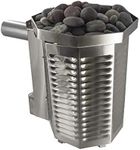
Design and AestheticsThe design and aesthetics of a sauna heater can enhance the overall look and feel of your sauna. Heaters come in various styles, from sleek and modern to traditional and rustic. Some heaters feature visible stones for a classic sauna appearance, while others have a minimalist design. Choose a heater that complements your sauna's interior and creates the desired ambiance. A well-designed heater can add to the enjoyment and relaxation of your sauna experience.