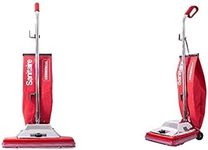
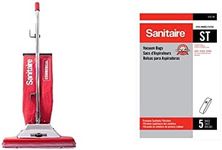
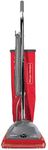
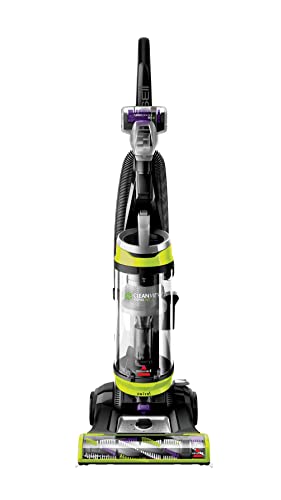
Buying Guide for the Best Sanitaire Upright Vacuums
Choosing the right upright vacuum cleaner can make a significant difference in maintaining the cleanliness of your home. Upright vacuums are popular for their powerful suction and ease of use, especially on carpets. When selecting an upright vacuum, it's important to consider various specifications to ensure it meets your cleaning needs. Here are some key specs to look at and how to navigate them.Suction PowerSuction power is a measure of how effectively the vacuum can pick up dirt and debris. This is important because higher suction power means better cleaning performance, especially on carpets and rugs. Suction power is often measured in watts or air watts. For light cleaning tasks, a lower suction power may suffice, but for homes with pets or high-traffic areas, a higher suction power is recommended.
Filtration SystemThe filtration system in a vacuum cleaner determines how well it can trap dust, allergens, and other particles. This is crucial for maintaining indoor air quality, especially for allergy sufferers. HEPA (High-Efficiency Particulate Air) filters are the gold standard, capturing 99.97% of particles as small as 0.3 microns. If you have allergies or asthma, look for a vacuum with a HEPA filter. For general use, a standard filter may be adequate.
Bagged vs. BaglessUpright vacuums come in both bagged and bagless models. Bagged vacuums use disposable bags to collect dirt, which can be more hygienic and easier to dispose of without releasing dust back into the air. Bagless vacuums use a dustbin that you empty when full, which can be more cost-effective since you don't need to buy replacement bags. If you prefer convenience and less mess, a bagged vacuum might be better. If you want to save on ongoing costs, consider a bagless model.
Weight and ManeuverabilityThe weight and maneuverability of an upright vacuum affect how easy it is to use, especially if you have a multi-story home or need to carry it up and down stairs. Lighter vacuums are easier to move around and less tiring to use, but they may have less powerful motors. Heavier models often have more powerful suction and larger dustbins but can be cumbersome. Consider your physical strength and the layout of your home when choosing the weight and maneuverability.
Cord Length and Cordless OptionsCord length determines how far you can move the vacuum without needing to switch power outlets. Longer cords are convenient for cleaning large areas without interruption. Cordless vacuums offer greater flexibility and ease of use, especially for quick clean-ups, but they rely on battery life, which can limit usage time. If you have a large home, a vacuum with a long cord or a high-capacity battery is ideal. For smaller spaces or quick tasks, a cordless model might be more convenient.
Attachments and AccessoriesAttachments and accessories enhance the versatility of your vacuum cleaner. Common attachments include crevice tools, dusting brushes, and upholstery tools, which help clean hard-to-reach areas, delicate surfaces, and furniture. If you have pets, look for a vacuum with a pet hair attachment. Consider the types of surfaces and areas you need to clean and choose a vacuum with the appropriate attachments to meet those needs.
Noise LevelThe noise level of a vacuum cleaner can be an important factor, especially if you have young children, pets, or prefer a quieter environment. Noise levels are measured in decibels (dB). Quieter vacuums typically operate at around 60-65 dB, while louder models can exceed 70 dB. If noise is a concern, look for vacuums specifically designed to operate quietly. For general use, the noise level may be less of a priority compared to other features.