Buying Guide for the Best Sandals Similar To Birkenstocks
When it comes to picking the right sandals similar to Birkenstocks, it's important to consider several key specifications to ensure you get the best fit and comfort for your needs. Sandals are not just about style; they also need to provide support, durability, and comfort for your feet. Here are some key specs to look out for and how to navigate them to find the perfect pair for you.FootbedThe footbed is the part of the sandal that your foot rests on. It's crucial because it affects the overall comfort and support of the sandal. Footbeds can be made from various materials like cork, foam, or synthetic materials. Cork footbeds are known for their excellent support and ability to mold to the shape of your foot over time, providing a custom fit. Foam footbeds offer more cushioning and are generally softer, which can be great for those who prefer a plush feel. Synthetic footbeds are often more durable and easier to clean. Choose a footbed based on your comfort preference and any specific foot support needs you might have.
Arch SupportArch support is essential for maintaining proper foot alignment and preventing discomfort or pain, especially if you plan to wear the sandals for extended periods. Sandals with good arch support will have a noticeable curve in the footbed that supports the natural arch of your foot. If you have high arches, look for sandals with higher arch support. For flat feet, a sandal with moderate arch support might be more comfortable. Assess your foot type and choose a sandal that provides the right level of support to keep your feet healthy and comfortable.
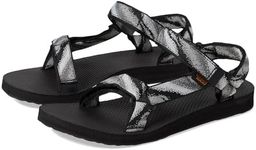
Strap DesignThe design and placement of straps on a sandal can significantly impact its fit and comfort. Straps can be made from leather, synthetic materials, or fabric. Leather straps are durable and can conform to your foot over time, while synthetic straps are often more water-resistant and easier to clean. Fabric straps can offer a softer feel. Consider how the straps are positioned: adjustable straps can provide a more customized fit, while fixed straps might offer a more streamlined look. Think about your daily activities and choose a strap design that will keep your foot secure and comfortable.
Sole MaterialThe sole of the sandal affects its durability, grip, and comfort. Common materials include rubber, EVA (ethylene vinyl acetate), and polyurethane. Rubber soles are durable and provide good traction, making them ideal for outdoor use. EVA soles are lightweight and offer excellent cushioning, which can be great for all-day wear. Polyurethane soles are durable and provide a good balance of cushioning and support. Consider where you will be wearing the sandals most often and choose a sole material that matches your needs for grip, durability, and comfort.
Fit and SizingGetting the right fit and size is crucial for comfort and preventing foot issues. Sandals should fit snugly but not too tight, with enough room for your toes to move freely. When trying on sandals, make sure your heel sits comfortably in the heel cup and that there is no excessive space at the front or back. Some brands offer different width options, so consider if you need a narrow or wide fit. Always try on sandals at the end of the day when your feet are slightly swollen to ensure a comfortable fit throughout the day.