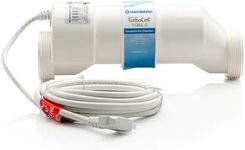
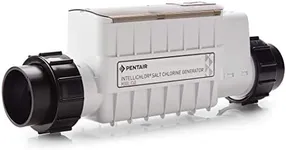
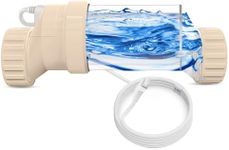
Buying Guide for the Best Salt Cell Replacements
When it comes to replacing a salt cell for your pool's saltwater chlorination system, it's important to choose the right product to ensure your pool stays clean and safe. A salt cell is a crucial component that converts salt into chlorine, which helps to sanitize your pool water. To make an informed decision, you need to consider several key specifications that will affect the performance and compatibility of the salt cell with your existing system. Understanding these specifications will help you select the best fit for your needs and ensure the longevity and efficiency of your pool's chlorination system.CompatibilityCompatibility refers to whether the salt cell will work with your existing chlorination system. This is important because not all salt cells are universal; they are often designed to work with specific brands and models. To navigate this, check the model number and brand of your current chlorinator and look for a replacement cell that is designed to work with it. If you are unsure, consult the manufacturer’s guidelines or seek advice from a professional. Ensuring compatibility will prevent any operational issues and ensure optimal performance.
Chlorine OutputChlorine output is the amount of chlorine the salt cell can produce, usually measured in pounds per day. This is important because it determines how effectively the cell can sanitize your pool. Chlorine output can vary widely; smaller pools may require a cell with a lower output, while larger pools will need a higher output to maintain proper sanitation. To pick the right one, consider the size of your pool and the typical usage. For example, a pool that is frequently used or located in a hot climate may need a higher chlorine output to keep the water clean.
Cell LifespanCell lifespan refers to how long the salt cell is expected to last before it needs to be replaced, typically measured in hours of operation or years. This is important because it affects the long-term cost and maintenance of your pool. Lifespan can vary based on the quality of the cell and how well it is maintained. To navigate this, look for cells with a longer lifespan if you want to reduce the frequency of replacements. However, also consider the warranty offered by the manufacturer as it can be an indicator of the cell’s durability. Choose a cell with a lifespan that matches your maintenance preferences and usage patterns.
Self-Cleaning FeatureThe self-cleaning feature refers to the cell’s ability to automatically clean itself, usually by reversing polarity to prevent calcium buildup. This is important because it reduces the amount of manual cleaning and maintenance required, which can prolong the life of the cell and ensure consistent performance. To navigate this, check if the salt cell has a self-cleaning feature and how it operates. Some cells may require periodic manual cleaning even if they have this feature. If you prefer low-maintenance options, a self-cleaning cell can be a good choice. Consider your willingness to perform maintenance when selecting a cell with or without this feature.
Installation and MaintenanceInstallation and maintenance refer to how easy it is to install the salt cell and keep it in good working condition. This is important because a complicated installation process or high maintenance requirements can be inconvenient and costly. To navigate this, look for cells that come with clear instructions and require minimal tools for installation. Some cells are designed for easy plug-and-play installation, while others may need professional help. Consider your own technical skills and willingness to perform maintenance when choosing a salt cell. Opt for a cell that matches your comfort level with installation and upkeep.