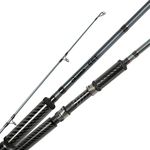
Buying Guide for the Best Salmon Fishing Rod
Choosing the right salmon fishing rod can greatly enhance your fishing experience. The right rod will help you cast more accurately, feel the fish bite, and reel in your catch more effectively. When selecting a salmon fishing rod, it's important to consider several key specifications to ensure you get the best fit for your needs. Understanding these specs will help you make an informed decision and enjoy your time on the water.Rod LengthRod length is the measurement from the tip of the rod to the butt. It is important because it affects casting distance, accuracy, and leverage when fighting a fish. Shorter rods (6-8 feet) are more accurate and easier to handle, making them ideal for fishing in tight spaces or from a boat. Medium-length rods (8-10 feet) offer a balance between casting distance and control, suitable for various fishing environments. Longer rods (10-12 feet) provide greater casting distance and are better for shore fishing or when you need to cover more water. Choose a rod length based on where you plan to fish and your casting preference.
Rod PowerRod power refers to the rod's ability to withstand pressure and is categorized as light, medium, or heavy. This spec is important because it determines the size of the fish you can handle and the type of lures you can use. Light power rods are suitable for smaller salmon and lighter lures, offering more sensitivity. Medium power rods are versatile and can handle a range of salmon sizes and lure weights. Heavy power rods are designed for larger salmon and heavier lures, providing the strength needed to reel in big fish. Choose rod power based on the size of the salmon you expect to catch and the lures you plan to use.
Rod ActionRod action describes how much and where the rod bends when pressure is applied. It is important because it affects the rod's sensitivity, casting distance, and hook-setting ability. Fast action rods bend mostly at the tip, providing quick hook sets and greater sensitivity, ideal for detecting light bites. Medium action rods bend more towards the middle, offering a balance between sensitivity and casting distance, suitable for various fishing techniques. Slow action rods bend throughout the length of the rod, providing a more forgiving and smooth casting experience, ideal for fighting larger fish. Choose rod action based on your fishing style and the type of lures you use.
Rod MaterialRod material affects the rod's weight, sensitivity, and durability. Common materials include graphite, fiberglass, and composite blends. Graphite rods are lightweight and highly sensitive, making them ideal for detecting subtle bites and providing a quick response. Fiberglass rods are more durable and flexible, offering a smooth casting experience and better suited for fighting larger fish. Composite rods combine the benefits of both materials, providing a balance of sensitivity and durability. Choose rod material based on your preference for sensitivity, weight, and the type of fishing conditions you expect to encounter.
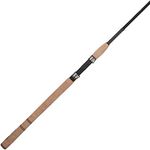
Handle TypeThe handle type affects comfort and grip during fishing. Handles are typically made from cork, EVA foam, or a combination of both. Cork handles are lightweight, provide a good grip, and are comfortable to hold, especially in dry conditions. EVA foam handles are more durable, offer a firm grip, and are resistant to wear and tear, making them suitable for wet conditions. Some rods feature a combination of both materials to provide a balance of comfort and durability. Choose a handle type based on your comfort preference and the fishing conditions you expect to encounter.