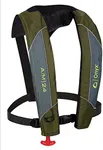
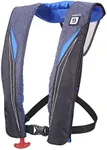
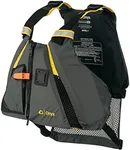
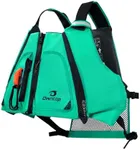
Buying Guide for the Best Sailing Life Jackets
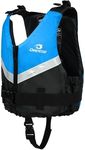
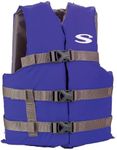
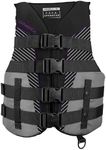
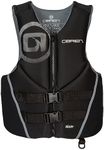
Choosing the right sailing life jacket is crucial for ensuring safety and comfort while on the water. A life jacket, also known as a personal flotation device (PFD), is designed to keep you afloat and provide buoyancy in case you fall overboard. When selecting a life jacket, it's important to consider various factors such as fit, buoyancy, and additional features that cater to your specific needs and sailing conditions. Here are some key specifications to help you make an informed decision.TypeLife jackets come in different types, each designed for specific activities and water conditions. Type I life jackets are for offshore use and provide the most buoyancy, making them suitable for rough waters and remote areas. Type II life jackets are for nearshore use and are less bulky, making them ideal for calm waters. Type III life jackets are for recreational use and offer comfort and freedom of movement, making them great for activities like sailing. Type V life jackets are specialized and include features for specific activities like kayaking or windsurfing. Choose the type that matches your sailing environment and activity level.
BuoyancyBuoyancy is the force that keeps you afloat in the water. It is measured in pounds (lbs) and indicates how much weight the life jacket can support. Higher buoyancy is essential for rough waters and heavier individuals. For most adults, a life jacket with 15.5 to 22 lbs of buoyancy is sufficient. If you are sailing in challenging conditions or are a larger person, opt for a life jacket with higher buoyancy. Ensure the buoyancy level matches your weight and the water conditions you will be sailing in.
Fit and ComfortA proper fit is crucial for the effectiveness of a life jacket. It should be snug but not too tight, allowing for comfortable movement. Adjustable straps and buckles help achieve a secure fit. Try on different sizes and styles to find one that fits your body shape and allows for ease of movement. Consider life jackets with padded shoulders and breathable materials for added comfort during long sailing trips. The right fit ensures that the life jacket stays in place and provides the necessary buoyancy when needed.
Material and DurabilityLife jackets are made from various materials, including nylon, neoprene, and polyester. Nylon is lightweight and durable, making it suitable for general use. Neoprene offers added comfort and flexibility, ideal for active sailing. Polyester is resistant to UV rays and abrasion, making it durable for long-term use. Choose a material that suits your comfort preferences and the sailing conditions you will encounter. Durable materials ensure that the life jacket can withstand wear and tear, providing reliable performance over time.
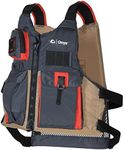
Additional FeaturesModern life jackets come with various additional features that enhance safety and convenience. Look for features such as reflective strips for visibility, pockets for storing small items, and harnesses for attaching safety lines. Some life jackets also have built-in whistles for signaling and D-rings for attaching equipment. Consider the features that will be most useful for your sailing activities and choose a life jacket that offers the right combination of safety and convenience. These features can make a significant difference in emergency situations and overall sailing experience.