Buying Guide for the Best Rv Satellite Systems
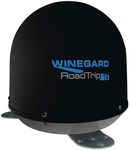
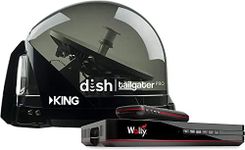
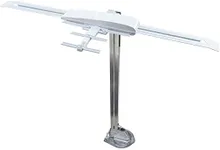
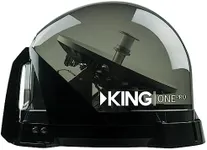
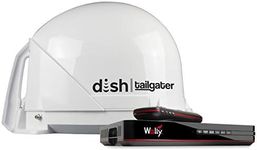
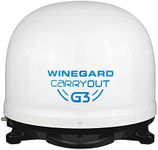
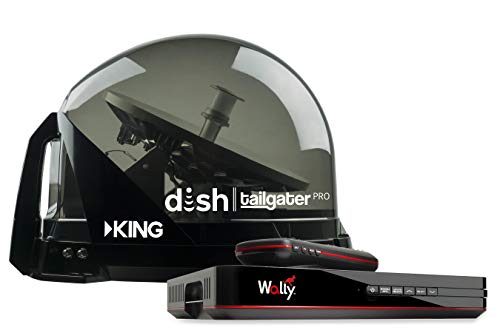
Choosing the right RV satellite system can greatly enhance your travel experience by providing you with access to television and internet services while on the road. To make an informed decision, it's important to understand the key specifications and how they align with your needs. Here are the main factors to consider when selecting an RV satellite system.Type of Satellite SystemThere are two main types of RV satellite systems: portable and roof-mounted. Portable systems can be set up and moved around outside your RV, offering flexibility in positioning for the best signal. Roof-mounted systems are permanently installed on the roof of your RV, providing convenience and ease of use. If you frequently change locations and want the flexibility to move your satellite for the best signal, a portable system might be best. If you prefer a more permanent, hassle-free setup, a roof-mounted system is ideal.
Signal ReceptionSignal reception refers to the satellite system's ability to receive signals from satellites. This is crucial for ensuring you have a clear and consistent connection. Systems with automatic signal acquisition can find and lock onto satellite signals without manual adjustment, which is convenient for users who want a plug-and-play experience. Manual systems require you to adjust the dish to find the signal, which can be more time-consuming but may be less expensive. Consider how much effort you're willing to put into setting up your system when choosing between automatic and manual options.
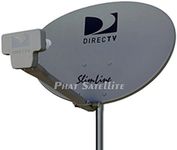
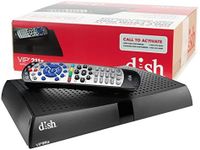
Compatibility with Service ProvidersDifferent satellite systems are compatible with different service providers, such as DirecTV, DISH, or Bell TV. It's important to choose a system that works with your preferred provider to ensure you can access the channels and services you want. Check the specifications of the satellite system to see which providers it supports. If you already have a subscription with a particular provider, make sure the system you choose is compatible with that provider.
HD and 4K SupportHD and 4K support refers to the system's ability to receive high-definition and ultra-high-definition signals. This is important for ensuring you get the best picture quality on your TV. If you have a high-definition or 4K TV, you'll want a satellite system that supports these resolutions to take full advantage of your TV's capabilities. Look for systems that specifically mention HD or 4K support if picture quality is a priority for you.
Number of ReceiversThe number of receivers indicates how many TVs can be connected to the satellite system simultaneously. This is important if you have multiple TVs in your RV and want to watch different channels on each one. Systems with multiple receiver support allow for more flexibility and convenience. Consider how many TVs you have and whether you want the ability to watch different channels on each when choosing a system.
Ease of Installation and UseEase of installation and use refers to how simple it is to set up and operate the satellite system. Some systems come with user-friendly features like automatic signal acquisition, simple controls, and clear instructions, making them easier to install and use. If you're not particularly tech-savvy or prefer a straightforward setup, look for systems that emphasize ease of use. Reading user reviews can also give you an idea of how easy a system is to install and operate.
Durability and Weather ResistanceDurability and weather resistance are important for ensuring your satellite system can withstand the rigors of travel and various weather conditions. Look for systems made from high-quality materials that are designed to be weather-resistant, as this will help ensure longevity and reliable performance. If you frequently travel to areas with harsh weather conditions, prioritize systems that are specifically built to handle such environments.