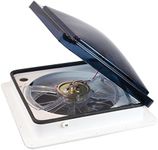
Buying Guide for the Best Rv Roof Vents
Choosing the right RV roof vent is crucial for maintaining proper ventilation, temperature control, and overall comfort inside your recreational vehicle. A well-chosen roof vent can help reduce moisture buildup, prevent mold growth, and keep the air fresh. When selecting an RV roof vent, consider the following key specifications to ensure you get the best fit for your needs.Vent SizeThe vent size refers to the dimensions of the opening that the vent will cover. This is important because it needs to fit the pre-existing hole in your RV's roof. Common sizes include 14x14 inches, but it's essential to measure your current vent opening to ensure a proper fit. If you have a larger or smaller opening, you may need to look for a vent that matches those dimensions or consider an adapter.
MaterialThe material of the vent affects its durability and performance. Common materials include plastic, metal, and polycarbonate. Plastic vents are lightweight and affordable but may not be as durable. Metal vents are more robust and can withstand harsh weather conditions but may be heavier. Polycarbonate vents offer a good balance of durability and weight. Choose a material that suits your climate and usage frequency.
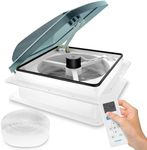
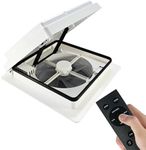
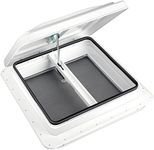
Ventilation TypeThere are different types of ventilation mechanisms, such as manual, powered, and automatic vents. Manual vents require you to open and close them by hand, which is simple but may not be convenient. Powered vents come with a fan that can be controlled via a switch or remote, providing better airflow and control. Automatic vents have sensors that open and close the vent based on temperature or humidity levels. Consider your comfort and convenience when choosing the ventilation type.
Fan Speed and Noise LevelIf you opt for a powered vent, the fan speed and noise level are important factors. Higher fan speeds provide better airflow but may be noisier. Some vents offer multiple speed settings, allowing you to adjust the airflow and noise level according to your preference. If you are sensitive to noise or plan to use the vent while sleeping, look for models with quieter operation.
Weather ResistanceWeather resistance is crucial for an RV roof vent as it will be exposed to various weather conditions. Look for vents that are designed to be waterproof and UV-resistant to prevent leaks and damage from the sun. Some vents also come with built-in rain covers or can be used with additional covers to provide extra protection. Ensure the vent you choose can withstand the weather conditions you expect to encounter.
Ease of InstallationThe ease of installation can vary depending on the vent design and your DIY skills. Some vents come with detailed instructions and all necessary hardware, making them easier to install. Others may require additional tools or professional installation. If you prefer a straightforward installation process, look for vents that are marketed as easy to install or come with comprehensive guides.
Additional FeaturesSome RV roof vents come with additional features such as built-in lights, remote controls, or thermostats. These features can enhance your comfort and convenience but may come at a higher cost. Consider which additional features are important to you and whether they justify the extra expense. For example, a built-in light can be useful for nighttime use, while a remote control can make it easier to operate the vent from a distance.