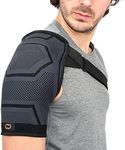
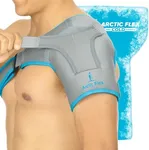
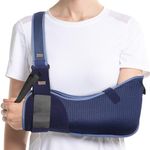
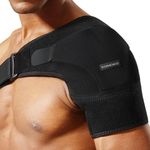
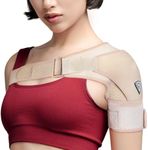
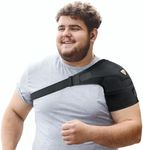
Buying Guide for the Best Rotator Cuff Shoulder Braces
Choosing the right rotator cuff shoulder brace can significantly aid in recovery and provide the necessary support to your shoulder. When selecting a shoulder brace, it's important to consider several key specifications to ensure you get the best fit for your needs. Understanding these specifications will help you make an informed decision and find a brace that offers the right balance of support, comfort, and functionality.Support LevelThe support level of a shoulder brace indicates how much stabilization and restriction of movement it provides. This is crucial because different injuries and recovery stages require varying levels of support. Light support braces are suitable for minor injuries or preventive measures, offering flexibility and mild compression. Moderate support braces provide more stabilization and are ideal for moderate injuries or post-surgery recovery. Maximum support braces offer the highest level of stabilization and are used for severe injuries or conditions requiring significant immobilization. Choose the support level based on the severity of your injury and the recommendation of your healthcare provider.
MaterialThe material of the shoulder brace affects its comfort, breathability, and durability. Common materials include neoprene, which provides good support and warmth but may be less breathable, and mesh or fabric blends that offer better ventilation and comfort for extended wear. If you have sensitive skin or plan to wear the brace for long periods, opt for materials that are soft, hypoallergenic, and breathable. Consider your comfort preferences and any potential skin sensitivities when selecting the material.
AdjustabilityAdjustability refers to the ability to customize the fit of the shoulder brace through straps, Velcro, or other mechanisms. This is important because a well-fitted brace ensures proper support and comfort. Braces with multiple adjustable points allow for a more personalized fit, accommodating different body shapes and sizes. If you need a brace that can be easily adjusted throughout the day or as your swelling changes, look for one with versatile adjustability options. Ensure the brace can be adjusted to provide a snug yet comfortable fit without restricting circulation.
Size and FitThe size and fit of the shoulder brace are critical for effective support and comfort. Braces come in various sizes, often based on measurements of your chest, shoulder, and arm. It's important to follow the manufacturer's sizing guide to select the correct size. A brace that is too tight can cause discomfort and restrict blood flow, while one that is too loose may not provide adequate support. Measure yourself accurately and choose a size that fits well according to the provided guidelines. If you're between sizes, consider the adjustability features to ensure a proper fit.
Ease of UseEase of use refers to how simple it is to put on, adjust, and take off the shoulder brace. This is particularly important if you have limited mobility or need to frequently adjust the brace. Look for braces with clear instructions and user-friendly designs, such as front closures or easy-to-reach straps. If you will be using the brace independently, ensure you can manage it without assistance. Consider your daily routine and how the brace fits into it when evaluating ease of use.
PurposeThe purpose of the shoulder brace is directly related to the specific condition or injury you are addressing. Some braces are designed for general support and pain relief, while others are tailored for post-surgery recovery, sports injuries, or chronic conditions like arthritis. Understanding the primary purpose of the brace will help you choose one that meets your specific needs. Consult with your healthcare provider to determine the best type of brace for your condition and recovery goals.