Buying Guide for the Best Retractable Awnings
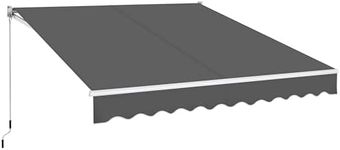
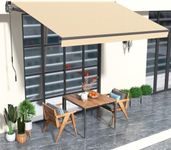
Choosing the right retractable awning can significantly enhance your outdoor living space, providing shade and protection from the elements. To make an informed decision, it's important to understand the key specifications and how they align with your needs. Here are the main factors to consider when selecting a retractable awning.SizeThe size of the awning is crucial as it determines the amount of coverage you will get. Measure the area you want to cover and consider the width and projection (how far it extends from the wall). Small awnings (up to 10 feet wide) are suitable for windows and small patios, medium awnings (10-20 feet wide) are great for larger patios and decks, while large awnings (over 20 feet wide) are ideal for expansive outdoor spaces. Choose a size that provides adequate shade and fits well with your outdoor area.
MaterialThe material of the awning affects its durability, appearance, and maintenance. Common materials include acrylic, polyester, and vinyl. Acrylic is known for its durability and resistance to fading, making it ideal for long-term use. Polyester is lightweight and affordable but may not last as long. Vinyl is waterproof and easy to clean, suitable for areas with heavy rainfall. Consider the climate in your area and how much maintenance you are willing to do when selecting the material.
FrameThe frame supports the awning and affects its stability and longevity. Frames are typically made from aluminum, steel, or wood. Aluminum frames are lightweight, rust-resistant, and low-maintenance, making them a popular choice. Steel frames are strong and durable but can be prone to rust if not properly treated. Wooden frames offer a classic look but require regular maintenance to prevent weather damage. Choose a frame material that balances durability with the aesthetic you desire.
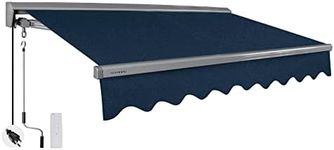
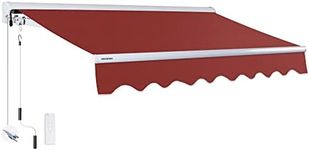
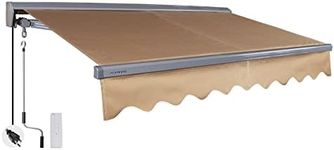
Operation MechanismRetractable awnings can be operated manually or with a motor. Manual awnings use a hand crank to extend and retract, which is cost-effective and reliable but requires physical effort. Motorized awnings use an electric motor and can be operated with a remote control or switch, offering convenience and ease of use. Some motorized models even come with sensors that automatically retract the awning in high winds. Consider your preference for convenience and your ability to manually operate the awning when making your choice.
UV ProtectionUV protection is important to shield you and your furniture from harmful sun rays. Awnings with high UV protection ratings can block a significant amount of UV radiation, reducing the risk of sunburn and fading of outdoor furniture. Look for awnings with a UV protection factor (UPF) rating; higher numbers indicate better protection. If you spend a lot of time outdoors or have sensitive skin, prioritize awnings with high UV protection.
Wind ResistanceWind resistance is a measure of how well the awning can withstand strong winds. This is particularly important if you live in a windy area. Awnings are rated by their wind resistance, often categorized by wind speeds they can handle. Light-duty awnings are suitable for areas with mild winds, while heavy-duty awnings are designed to withstand stronger gusts. Assess the typical wind conditions in your area and choose an awning with an appropriate wind resistance rating.
InstallationInstallation can vary in complexity depending on the awning. Some models are designed for easy DIY installation, while others may require professional help. Consider your comfort level with home improvement projects and whether you have the necessary tools and skills. If you prefer a hassle-free experience, opting for professional installation might be the best choice. Ensure that the installation process aligns with your capabilities and preferences.