Buying Guide for the Best Rechargeable Vacuums
When choosing a rechargeable vacuum, it's important to find a model that balances cleaning power, battery life, ease of use, and flexibility for your home and habits. Rechargeable vacuums come in many shapes and sizes, from stick vacuums to compact handheld units, and they offer good portability due to their cordless design. The key is to match the vacuum's capabilities to what, where, and how often you’ll be cleaning, ensuring it fits your home’s flooring, mess types, and your own comfort.Battery LifeBattery life tells you how long the vacuum can run before needing a recharge. It’s important because longer battery life means you can clean more space in one go without stopping. Most vacuums have ranges from about 15 minutes up to an hour or more. Short battery life (under 20 minutes) works for quick spot cleaning or small areas, while medium battery life (20–40 minutes) suits apartment living or specific rooms. Longer battery life (40 minutes or more) is best for larger homes or thorough cleaning sessions. To choose right, consider the size of your house and your cleaning habits; if you often do light, quick cleans, shorter battery is fine, but for whole-home jobs, opt for a higher one.
Suction PowerSuction power refers to how strongly the vacuum can lift dirt and debris from floors and carpets. It’s a key factor in how well the vacuum cleans, especially on thick carpets or when picking up pet hair. This can be described in terms like air watts, but often you’ll see settings like ‘low’ and ‘high’. Lower suction works for hard floors and light messes, medium for mixed surfaces, and higher suction for deep cleans or carpets. If your home has lots of carpets, pets, or heavy debris, go for models with stronger suction; if you mostly have hard floors or need a quick tidy, moderate suction is sufficient.
Weight and ErgonomicsWeight and ergonomics refer to how heavy and easy to handle the vacuum feels. This matters because you’ll be pushing, lifting, or carrying the vacuum, sometimes for extended periods. Lighter vacuums (under 5 pounds) are ideal for quick jobs, cleaning stairs, or lifting overhead (like for blinds). Medium weights (5–8 pounds) are comfortable for most users and suitable for average-sized homes. Heavier vacuums (8 pounds or above) tend to offer more power, but can be tiring and less flexible. Pick weight based on your physical comfort, how much you’ll need to carry it, and whether you’ll use it above floor level.
Dustbin CapacityDustbin capacity means how much dirt the vacuum can hold before you need to empty it. A bigger capacity is useful for larger spaces or homes with lots of pets, while smaller bins are lighter but require more frequent emptying. Compact bins (under 0.5 liters) are fine for spot cleans or apartments; medium bins (0.5–1 liter) suit regular use in most homes; large bins (above 1 liter) work best for big houses or messier areas. Think about how often you want to empty the bin: frequent emptiers can go small, but if you’d rather avoid this chore, go larger.
Charging TimeCharging time tells you how long the vacuum takes to fully recharge after the battery runs out. It’s important because longer charge times mean more waiting between cleaning sessions. Fast chargers (under 3 hours) are convenient if you clean often or need quick turnarounds; standard charging (3–5 hours) is typical and fits most routines; longer charges (over 5 hours) might be acceptable if you clean less often. If you need your vacuum ready frequently or on demand, look for shorter charging times.
Filtration SystemThe filtration system stops dust, allergens, and debris from escaping the vacuum back into the air. HEPA filters are the gold standard for trapping tiny particles, which is crucial for allergy sufferers. Basic filters work for everyday tidying but may release some dust. Advanced filters (like HEPA) are best for those who are sensitive to dust or have asthma. Consider who lives in your house—if allergies or pets are an issue, a better filtration system will make a big difference.
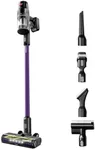
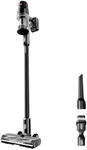
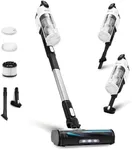
Attachments and AccessoriesAttachments and accessories include extra tools like crevice tools, brushes, and pet hair rollers that help the vacuum clean furniture, corners, car interiors, and more. More attachments add flexibility but consider what you actually need: basic tools suffice for floors and open spaces, while special brushes or narrow tools are useful for furniture, stairs, or cars. Think about where and how you’ll use the vacuum and choose a set of accessories that matches your cleaning needs.