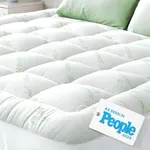
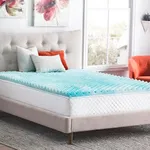
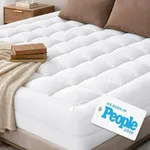
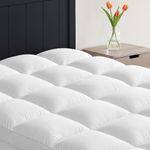
Buying Guide for the Best Rated Mattress Topper
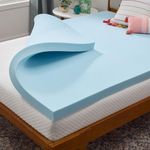
Choosing the right mattress topper can significantly improve your sleep quality by adding comfort and support to your existing mattress. When selecting a mattress topper, it's important to consider various factors that align with your personal preferences and needs. Here are some key specifications to help you make an informed decision.MaterialThe material of a mattress topper affects its comfort, support, and durability. Common materials include memory foam, latex, down, and fiberfill. Memory foam offers excellent support and pressure relief, making it ideal for those with back pain. Latex is durable and provides a bouncy feel, suitable for those who prefer a firmer surface. Down and fiberfill toppers are softer and provide a plush feel, perfect for those who want extra cushioning. Choose a material based on your comfort preference and any specific needs like back support or allergy concerns.
ThicknessThickness determines the level of cushioning and support a mattress topper provides. Toppers typically range from 1 to 4 inches thick. A 1-2 inch topper adds a slight layer of comfort and is suitable for those who want to enhance their mattress without significantly changing its feel. A 3-4 inch topper offers more substantial support and is ideal for those looking to soften a firm mattress or add more cushioning. Consider your current mattress condition and how much additional comfort you need when choosing the thickness.
DensityDensity, especially in memory foam toppers, affects the firmness and durability. It is measured in pounds per cubic foot (PCF). Low-density foam (2-3 PCF) is softer and less durable, suitable for those who prefer a plush feel. Medium-density foam (3-5 PCF) offers a balance of comfort and support, making it a good choice for most sleepers. High-density foam (5+ PCF) is firmer and more durable, ideal for those needing extra support or with higher body weight. Choose the density based on your firmness preference and how long you want the topper to last.
FirmnessFirmness levels range from soft to extra firm and affect how the topper feels. A soft topper provides a plush, sinking feel, suitable for side sleepers or those who prefer a cushioned surface. A medium-firm topper offers balanced support and comfort, ideal for back sleepers or those who want a mix of softness and support. A firm topper provides a solid, supportive feel, suitable for stomach sleepers or those with back pain. Consider your sleeping position and comfort preference when selecting the firmness level.
Temperature RegulationTemperature regulation is important for maintaining a comfortable sleep environment. Some materials, like memory foam, can retain heat, while others, like latex or gel-infused foam, offer better breathability and cooling properties. If you tend to sleep hot, look for toppers with cooling features such as gel infusions, breathable covers, or moisture-wicking materials. Choose a topper that helps regulate your body temperature to ensure a comfortable night's sleep.
Allergy ConsiderationsIf you have allergies, it's important to choose a hypoallergenic mattress topper. Materials like latex and certain synthetic fibers are naturally resistant to dust mites and other allergens. Additionally, some toppers come with removable, washable covers that help keep allergens at bay. Consider your allergy sensitivities and look for toppers that offer hypoallergenic properties to ensure a healthier sleep environment.
Motion IsolationMotion isolation is crucial if you share your bed with a partner and want to minimize disturbances from their movements. Memory foam and latex toppers typically offer excellent motion isolation, absorbing movements and preventing them from transferring across the bed. If you or your partner are light sleepers, consider a topper with good motion isolation properties to ensure an undisturbed night's sleep.