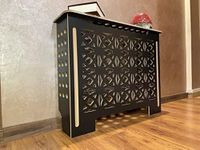
Buying Guide for the Best Radiator Covers
Choosing the right radiator cover can enhance the aesthetic appeal of your room while also providing safety and functionality. Radiator covers come in various styles, materials, and sizes, so it's important to consider your specific needs and preferences when making a selection. Here are some key specifications to consider when choosing a radiator cover, along with explanations to help you make an informed decision.MaterialThe material of the radiator cover affects its durability, appearance, and heat efficiency. Common materials include wood, metal, and MDF (medium-density fiberboard). Wood offers a classic and warm look but may require more maintenance. Metal is durable and modern but can be more expensive. MDF is a cost-effective option that can be painted or finished in various styles. Choose a material that complements your room's decor and meets your maintenance preferences.
SizeThe size of the radiator cover is crucial for proper fit and functionality. Measure the height, width, and depth of your radiator, including any valves or pipes, to ensure the cover will fit comfortably. Radiator covers typically come in standard sizes, but custom options are available for unique dimensions. A well-fitted cover will allow for adequate airflow and heat distribution while providing a neat appearance.
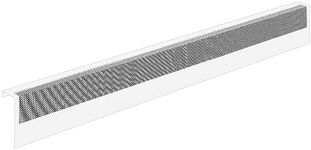
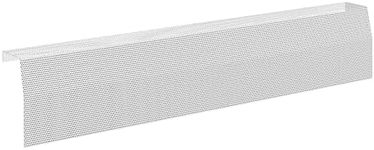
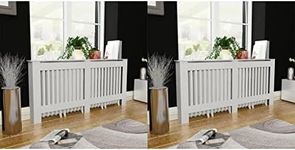
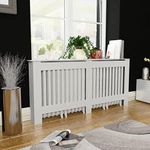
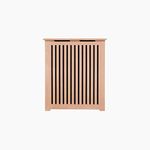
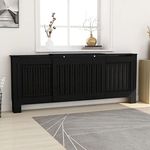
DesignRadiator covers come in various designs, from traditional to contemporary. The design includes the style of the front panel, which can be solid, slatted, or patterned. Solid panels offer a clean look but may restrict airflow, while slatted or patterned panels allow for better heat circulation. Consider the overall style of your room and choose a design that complements your interior decor while ensuring efficient heat distribution.
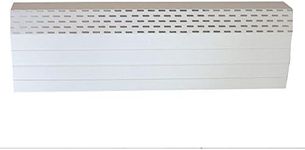
VentilationProper ventilation is essential for maintaining the efficiency of your radiator. Look for covers with adequate ventilation features, such as slats or perforations, to ensure that heat can circulate freely. Poor ventilation can reduce the effectiveness of your radiator and increase energy consumption. Choose a cover that balances aesthetic appeal with functional ventilation to keep your room warm and energy-efficient.
Safety FeaturesRadiator covers can provide an extra layer of safety, especially in homes with children or pets. Look for covers with rounded edges and sturdy construction to prevent accidents. Some covers also come with additional safety features, such as child locks or secure mounting options. Consider your household's safety needs and choose a cover that offers peace of mind while enhancing your room's appearance.
Ease of InstallationThe ease of installation can vary depending on the design and material of the radiator cover. Some covers come with simple, tool-free assembly, while others may require more complex installation. Consider your DIY skills and the time you have available for installation. If you're not confident in your ability to install the cover yourself, you may want to choose a model that offers professional installation services or opt for a simpler design.
MaintenanceMaintenance requirements can differ based on the material and design of the radiator cover. Wood covers may need periodic polishing or refinishing, while metal covers might require occasional cleaning to prevent rust. MDF covers are generally low-maintenance but should be kept dry to avoid swelling. Consider how much time and effort you're willing to invest in maintaining the cover and choose a material and design that align with your maintenance preferences.