Buying Guide for the Best Radar Detector Under 200 Dollars
Choosing the right radar detector can significantly enhance your driving experience by alerting you to speed traps and radar guns used by law enforcement. When selecting a radar detector, it's important to consider several key specifications to ensure you get a device that meets your needs and provides reliable performance. Here are the key specs to look for and how to evaluate them to find the best fit for you.Detection RangeDetection range refers to how far away the radar detector can pick up signals from radar guns. This is important because a longer detection range gives you more time to adjust your speed before reaching the radar source. Detection ranges can vary from short to long. Short-range detectors may only alert you when you are very close to the radar source, which might not give you enough time to react. Medium-range detectors offer a balance between early warning and affordability. Long-range detectors provide the earliest warnings, which is ideal for highway driving where speeds are higher. Consider your typical driving environment: if you mostly drive in urban areas, a medium-range detector might suffice, but for highway driving, a long-range detector is preferable.
Band DetectionRadar detectors can detect different frequency bands used by radar guns, such as X, K, and Ka bands. This is important because different law enforcement agencies use different bands, and a detector that can pick up multiple bands will be more effective. Some detectors also include laser detection, which is used by some speed enforcement tools. Basic models may only detect one or two bands, which might be sufficient for areas with limited radar use. More advanced models can detect all common bands and even laser signals, providing comprehensive coverage. If you drive in areas with varied enforcement methods, a detector with multi-band detection is recommended.
False Alert FilteringFalse alert filtering helps reduce the number of incorrect alerts caused by non-police radar sources, such as automatic doors and other vehicles. This is important because frequent false alerts can be annoying and may cause you to ignore real threats. Basic models may have minimal filtering, leading to more false alerts. Mid-range models often include basic filtering technologies that reduce some false alerts. High-end models use advanced algorithms and GPS data to significantly minimize false alerts. If you drive in urban areas with many potential sources of false alerts, a detector with good filtering capabilities is essential.
GPS IntegrationGPS integration allows the radar detector to use location data to provide more accurate alerts and to remember locations of frequent false alerts. This is important because it can enhance the overall accuracy and reliability of the detector. Basic models typically do not include GPS. Mid-range models may offer limited GPS features, such as marking locations of speed cameras. High-end models provide comprehensive GPS functionality, including real-time updates and the ability to learn and ignore false alert locations. If you frequently drive in areas with known speed traps or false alert sources, a detector with GPS integration can be very beneficial.
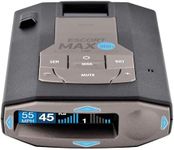
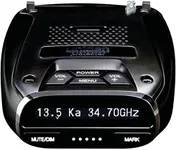
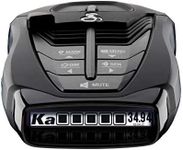
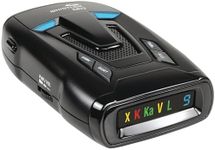
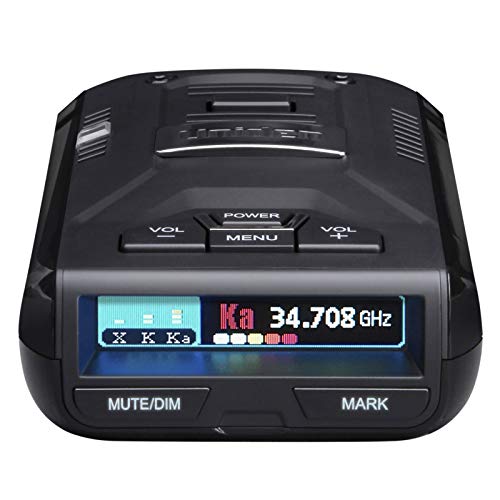
Display and AlertsThe display and alert system of a radar detector indicates when a radar signal is detected and provides information about the type and strength of the signal. This is important because clear and timely alerts help you respond appropriately. Basic models may have simple LED indicators and audible beeps. Mid-range models often include text displays and voice alerts, providing more detailed information. High-end models feature high-resolution displays and customizable alert tones. Consider how you prefer to receive alerts: if you want detailed information and customizable options, look for a model with an advanced display and alert system.