Buying Guide for the Best quiet alarm clock
Choosing the right quiet alarm clock can significantly improve your mornings and overall sleep quality. A quiet alarm clock is designed to wake you up gently without the jarring noise of traditional alarms. When selecting a quiet alarm clock, consider the following key specifications to ensure you find the best fit for your needs.Alarm TypeThe alarm type refers to the method the clock uses to wake you up. This can include gentle sounds, vibrations, or light. This spec is important because it determines how you will be awakened. If you are a light sleeper, a gentle sound or light might be sufficient. For heavier sleepers, a combination of sound and vibration might be necessary. Choose an alarm type that aligns with your sleeping habits and preferences.
Volume ControlVolume control allows you to adjust the loudness of the alarm. This is crucial for customizing the wake-up experience to your comfort level. Some clocks offer a range of volume settings from very soft to moderately loud. If you are sensitive to noise, look for a clock with a lower volume range. If you need a bit more sound to wake up, ensure the clock can reach a volume that will rouse you without being too harsh.
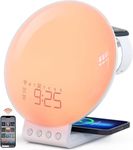
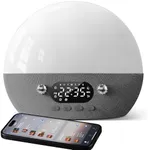
Light IntensityLight intensity refers to the brightness of the light used in light-based alarms. This is important because it can affect how gently you wake up. Light intensity can range from a soft glow to a bright light. If you prefer a subtle wake-up, choose a clock with adjustable light intensity that can start dim and gradually increase. For those who need a stronger stimulus, a clock with higher light intensity might be more effective.
Sound OptionsSound options refer to the variety of sounds the alarm clock can produce. This is important for personalizing your wake-up experience. Options can include nature sounds, white noise, or gentle melodies. If you find certain sounds more soothing or effective, look for a clock that offers those specific options. Having multiple sound choices can also help you switch things up if you get used to one sound over time.
Snooze FunctionThe snooze function allows you to temporarily silence the alarm and have it go off again after a short period. This is important for those who need a few extra minutes to wake up fully. The duration of the snooze interval can vary, so consider how much extra time you typically need. If you often rely on the snooze button, look for a clock with a customizable snooze duration.
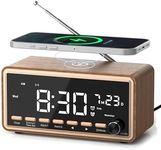
Display BrightnessDisplay brightness refers to the visibility of the clock's display in different lighting conditions. This is important for ensuring you can easily read the time without being disturbed by a bright display at night. Some clocks offer adjustable display brightness or an automatic dimming feature. If you are sensitive to light while sleeping, choose a clock with a dimmable display or one that turns off completely during the night.
Power SourceThe power source indicates how the alarm clock is powered, whether by batteries, electricity, or both. This is important for reliability and convenience. Battery-powered clocks are portable and can be used during power outages, while electric clocks often have more features. If you travel frequently, a battery-powered or dual-powered clock might be more suitable. For home use, an electric clock with a battery backup can provide peace of mind.