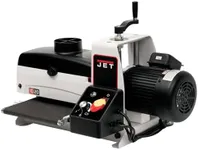
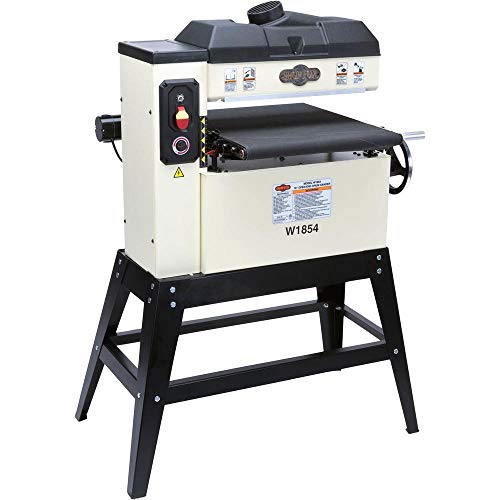
Buying Guide for the Best Power Drum Sanders
When it comes to picking the right power drum sander, it's important to understand the key specifications and how they align with your specific needs. Power drum sanders are essential tools for woodworking, providing a smooth and even finish to your projects. By focusing on the right specs, you can ensure that you choose a model that will deliver the performance and results you require.Motor PowerMotor power, measured in horsepower (HP), determines the sander's ability to handle tough materials and maintain consistent performance. Higher horsepower means more power and efficiency, especially for larger projects. For light to medium tasks, a motor with 1-1.5 HP is usually sufficient. For more demanding, professional-grade work, consider a motor with 2 HP or more. Your choice should depend on the type of projects you plan to undertake and the frequency of use.
Drum SizeThe drum size refers to the width and diameter of the sanding drum. A larger drum can cover more surface area in a single pass, making it ideal for bigger projects. Common drum widths range from 10 to 20 inches. For small to medium-sized projects, a drum width of 10-16 inches is typically adequate. For larger, more extensive work, a drum width of 18-20 inches or more is preferable. Consider the size of the materials you will be working with to determine the appropriate drum size.
Feed RateThe feed rate is the speed at which the material is fed through the sander, usually measured in feet per minute (FPM). A variable feed rate allows you to adjust the speed based on the material and desired finish. Lower feed rates are better for finer finishes and delicate materials, while higher feed rates are suitable for rougher, initial sanding. Look for a sander with adjustable feed rates to provide flexibility for different types of projects.
Dust CollectionEffective dust collection is crucial for maintaining a clean workspace and ensuring the longevity of your sander. Most power drum sanders come with a dust port that can be connected to a vacuum or dust collection system. A good dust collection system will help reduce airborne particles and keep your work area tidy. Consider the size of the dust port and compatibility with your existing dust collection setup. For optimal performance, choose a sander with a well-designed dust collection system.
Build QualityThe build quality of a power drum sander affects its durability and performance. Look for models made with sturdy materials like cast iron or heavy-duty steel, which provide stability and reduce vibrations during operation. High-quality components and a solid construction will ensure that your sander can withstand regular use and last for many years. Assess the overall build and read reviews to gauge the reliability and longevity of the sander.
Ease of UseEase of use encompasses features like intuitive controls, easy drum changes, and straightforward adjustments. A user-friendly sander will save you time and effort, making your woodworking projects more enjoyable. Look for features such as quick-release levers, clear control panels, and accessible adjustment knobs. Consider your own experience level and choose a sander that offers a balance of advanced features and simplicity.