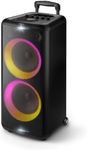
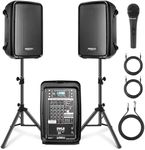
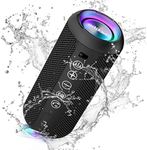
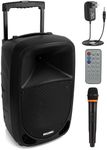
Buying Guide for the Best Portable Speakers
When choosing a portable speaker, it's helpful to start by thinking about where you plan to use it—outdoors, indoors, at parties, or just for personal listening. Consider how easy it is to carry, how it fits into your daily routine, and the environment you’ll use it in. Look at the different features and specifications to find a speaker that matches your needs, such as sound quality, battery life, and connectivity options. The ideal choice balances portability, performance, and durability to suit your lifestyle.Sound QualitySound quality refers to how clear, rich, and powerful the speaker sounds. You want a speaker that delivers both deep bass and crisp highs without distortion. Small speakers often have limited bass and loudness, so they're best for personal, close-up listening, while larger ones can fill bigger spaces. For better sound, look for features like stereo output or extra drivers. Pick higher sound quality if you value enjoying music, movies, or podcasts with good clarity and volume.
Battery LifeBattery life tells you how long the speaker can play music on a single charge. This ranges from a few hours to up to a whole day. Shorter battery life is okay for home and quick outings if you can recharge easily. Longer battery life is crucial for camping, outdoor events, or travel. Choose based on how long you want uninterrupted music before needing to charge—long battery life is better for frequent, lengthy use away from power sources.
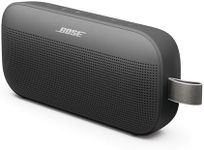
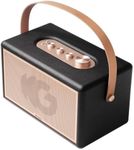
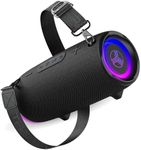
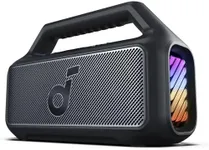
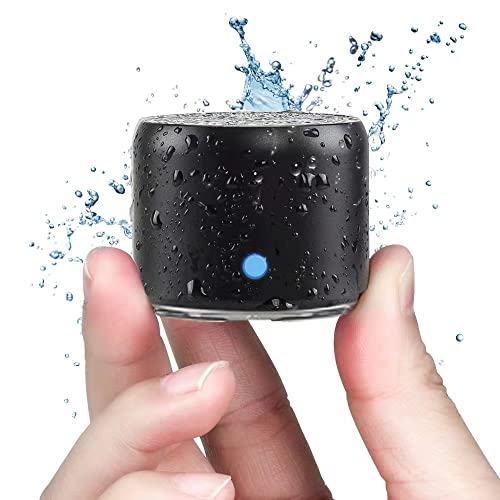
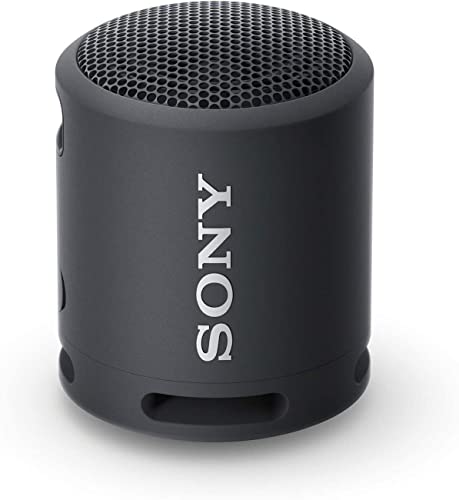
PortabilityPortability describes how easy it is to carry the speaker. This depends on size, weight, and whether it has a handle or strap. Small and lightweight speakers are easier to toss in a bag and carry everywhere, but may trade off some sound quality or battery life. Bigger speakers suit stationary use or parties but may be harder to transport. Decide how often and where you'll carry the speaker—if you need it for travel or outdoor use, aim for compact and light models.
ConnectivityConnectivity means how the speaker connects to your devices. Most portable speakers use Bluetooth, but some include options like aux cables, USB, or even Wi-Fi. Bluetooth is simple and works with most phones and tablets, but version matters—newer versions are faster and more stable. Aux or USB options help connect to devices without wireless. Decide based on your devices and how you want to connect—go for Bluetooth if you want easy wireless use, or extra ports if you plan to connect older devices.
WeatherproofingWeatherproofing helps the speaker resist water, dust, or drops. This is measured by ratings like IPX4 or IPX7, showing how much protection it offers. No rating means it's for indoor use only, while higher ratings suit outdoor or poolside use, resisting splashes or rain. If you'll use your speaker outside or at the beach, pick a model with water and dust resistance. Choose indoor-only if you don’t expect exposure to moisture or rough environments.
DurabilityDurability is how tough the speaker is—whether it can handle drops, bumps, or rough handling. Some speakers are built with rugged materials or protective covers, making them suitable for active lifestyles or travel. Standard models are fine for home use or careful handling, but adventure or outdoor users should look for more durable designs. Pick based on your activity level—choose rugged speakers for camping or hiking, or regular ones for gentle home use.
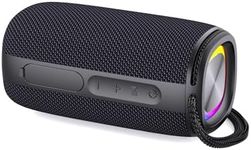
Extra FeaturesExtra features can include built-in microphones for hands-free calls, support for voice assistants, LED lights for parties, or pairing capability for multiple speakers. These add convenience or fun, but aren’t essential for everyone. Consider whether you want additional functions like smart voice control, party lighting, or the ability to link several speakers together. Choose extra features if they match your interests or daily habits, or stick to basic models if you want simplicity.