We Use CookiesWe use cookies to enhance the security, performance,
functionality and for analytical and promotional activities. By continuing to browse this site you
are agreeing to our privacy policy
Best Portable Homes
From leading brands and best sellers available on the web.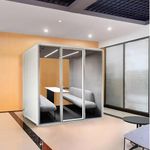
#2
Generic
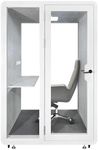
Soundproof Office Pod Booth, Quiet Meeting Pod with Acoustic Panels, Portable Modular Pod, Privacy Booth for Private Phone Calling, One to Two Person Workspace with Sound Isolation W55in D48in H92in
View on Amazon
#3

KB Housing
Soundproof Office Pod Booth for 5–7 People, Portable Office Meeting Room with Acoustic Panels, Quiet Recording Booth & Home Pod, Modern Soundproof Booth in White and Black (118"x118"x90.5") (White)
View on Amazon
Related Products


How do we rank products for you?
Our technology thoroughly searches through the online shopping world, reviewing hundreds of sites. We then process and analyze this information, updating in real-time to bring you the latest top-rated products. This way, you always get the best and most current options available.
Most Popular Categories Right Now


Buying Guide for the Best Portable Homes
Choosing the right portable home involves considering various factors to ensure it meets your needs and lifestyle. Portable homes, also known as tiny homes or mobile homes, offer flexibility and freedom, but it's essential to understand the key specifications that will impact your comfort, convenience, and overall satisfaction. Here are the main aspects to consider when selecting a portable home.Size and LayoutThe size and layout of a portable home determine how much living space you have and how it's organized. This is important because it affects your comfort and how well the space meets your needs. Portable homes come in various sizes, typically measured in square feet. Smaller homes (under 200 sq ft) are more compact and easier to move, ideal for solo living or minimalists. Medium-sized homes (200-400 sq ft) offer more space for couples or small families. Larger homes (over 400 sq ft) provide more room for families or those needing extra space for work or hobbies. Consider your lifestyle, the number of occupants, and how you plan to use the space when choosing the size and layout.
MobilityMobility refers to how easily the portable home can be moved from one location to another. This is crucial if you plan to travel frequently or relocate often. Portable homes can be classified into fully mobile (on wheels) and semi-mobile (requiring a trailer for transport). Fully mobile homes are easier to move and set up, making them ideal for frequent travelers. Semi-mobile homes offer more stability and can be larger but require more effort to relocate. Assess your travel plans and how often you intend to move the home to determine the right level of mobility for you.
Insulation and Climate ControlInsulation and climate control are essential for maintaining a comfortable living environment in different weather conditions. Good insulation helps keep the home warm in winter and cool in summer, reducing energy costs. Climate control systems, such as heating and air conditioning, ensure you can maintain a comfortable temperature year-round. Homes with high-quality insulation and efficient climate control are better suited for extreme climates. Consider the typical weather conditions in the areas where you plan to live and choose a home with appropriate insulation and climate control features.
Utilities and Off-Grid CapabilitiesUtilities include water, electricity, and waste management systems. Off-grid capabilities refer to the home's ability to function independently of traditional utility connections. This is important if you plan to live in remote areas or prefer a self-sufficient lifestyle. Portable homes can be equipped with solar panels, rainwater collection systems, and composting toilets to enhance off-grid living. Evaluate your need for independence from utility services and choose a home with the necessary systems to support your lifestyle.
Build Quality and MaterialsThe build quality and materials used in a portable home affect its durability, safety, and maintenance needs. High-quality materials and construction ensure the home can withstand the rigors of travel and various weather conditions. Common materials include wood, metal, and composite materials, each with its own benefits. Wood offers a traditional look and good insulation but may require more maintenance. Metal is durable and low-maintenance but can be less insulating. Composite materials offer a balance of durability and insulation. Consider the long-term maintenance, aesthetic preferences, and the environments where you plan to live when selecting the build quality and materials.
Customization and Design OptionsCustomization and design options allow you to tailor the portable home to your specific needs and preferences. This is important for creating a living space that feels personal and functional. Some portable homes offer customizable floor plans, finishes, and fixtures, while others come with standard designs. If you have specific requirements or a unique vision for your home, look for options that offer a high degree of customization. Think about your lifestyle, daily routines, and personal tastes to choose a design that suits you best.