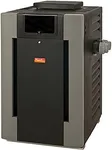
Buying Guide for the Best Pool Heaters Cost
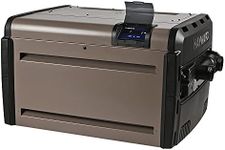
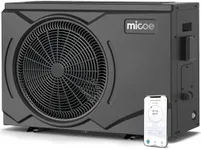
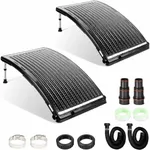
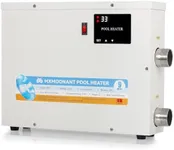
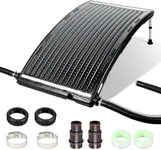
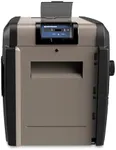
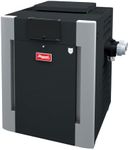
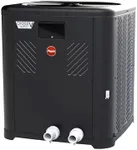
Choosing the right pool heater can significantly enhance your swimming experience by extending the swimming season and maintaining a comfortable water temperature. When selecting a pool heater, it's important to consider various factors such as the size of your pool, your climate, and your heating preferences. Understanding the key specifications will help you make an informed decision that best fits your needs and ensures efficient and effective heating for your pool.Type of HeaterThere are three main types of pool heaters: gas heaters, electric heat pumps, and solar heaters. Gas heaters use natural gas or propane and are known for their ability to quickly heat the pool water. Electric heat pumps are more energy-efficient and use the surrounding air to heat the water, making them ideal for warmer climates. Solar heaters use solar panels to capture and convert sunlight into heat, making them the most environmentally friendly option. Your choice should depend on your climate, energy preferences, and how quickly you need the pool to heat up.
Heating Capacity (BTU)Heating capacity is measured in British Thermal Units (BTU) and indicates how much heat the heater can produce. The higher the BTU rating, the faster the heater can warm up the pool. For small pools or spas, a heater with a lower BTU rating (100,000-200,000 BTU) may be sufficient. Medium-sized pools typically require a heater with a BTU rating of 200,000-300,000, while large pools may need a heater with 300,000 BTU or more. To determine the right BTU rating for your pool, consider the pool size, desired temperature increase, and how quickly you want the pool to heat up.
Energy EfficiencyEnergy efficiency is an important factor to consider as it affects the operating cost of the pool heater. More efficient heaters will use less energy to produce the same amount of heat, saving you money in the long run. Look for heaters with a high Coefficient of Performance (COP) for heat pumps or a high thermal efficiency rating for gas heaters. Solar heaters are inherently energy-efficient as they rely on free solar energy. Choose a heater with a good balance of efficiency and performance to meet your heating needs while minimizing energy consumption.
Climate SuitabilityThe climate in your area plays a significant role in determining the best type of pool heater for you. Gas heaters are effective in all climates and can quickly heat the pool even in cooler weather. Electric heat pumps are more efficient in warmer climates where the air temperature is consistently above 50°F. Solar heaters are best suited for sunny regions with long swimming seasons. Consider your local climate and the typical weather conditions when selecting a pool heater to ensure optimal performance and efficiency.
Installation and MaintenanceThe ease of installation and maintenance can impact the overall convenience and cost of owning a pool heater. Gas heaters typically require professional installation due to the need for gas lines and ventilation. Electric heat pumps and solar heaters may have simpler installation processes but still benefit from professional setup. Regular maintenance is essential to keep the heater running efficiently and prolong its lifespan. Consider the complexity of installation and the maintenance requirements when choosing a pool heater to ensure it fits your capabilities and preferences.