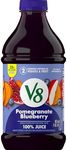
Buying Guide for the Best Pomegranate Juice
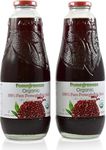
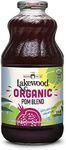
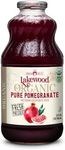
Choosing the right pomegranate juice can be a bit overwhelming with the variety of options available. To make the best choice, it's important to understand the key specifications and what they mean for your health and taste preferences. By focusing on these aspects, you can find a pomegranate juice that fits your needs perfectly.PurityPurity refers to how much of the juice is made from actual pomegranates versus other ingredients like water, sugar, or other fruit juices. Pure pomegranate juice is typically more nutritious and has a stronger flavor. If you want the full health benefits and authentic taste, look for labels that say '100% pomegranate juice.' If you prefer a milder taste or lower cost, a blend might be suitable.
Sugar ContentSugar content is important for both health and taste. Pomegranate juice can be naturally sweet, but some brands add extra sugar. If you're watching your sugar intake, check the nutrition label for added sugars. For a healthier option, choose juices with no added sugars. If you prefer a sweeter taste, a juice with added sugars might be more enjoyable for you.
Organic CertificationOrganic certification means the pomegranates were grown without synthetic pesticides or fertilizers. This can be important for those who are concerned about consuming chemicals or supporting sustainable farming practices. If organic produce is important to you, look for a certified organic label. If it's less of a concern, conventional juices can be just as nutritious and often more affordable.
Processing MethodThe processing method can affect the nutritional value and taste of the juice. Cold-pressed juices are often fresher and retain more nutrients, while pasteurized juices have a longer shelf life but may lose some nutritional value. If you prioritize maximum nutrition and fresh taste, opt for cold-pressed. If convenience and longer shelf life are more important, pasteurized juice might be the better choice.
PackagingPackaging can influence the juice's shelf life and environmental impact. Glass bottles are often preferred for preserving taste and being recyclable, while plastic bottles are lighter and less prone to breaking. If you are environmentally conscious, look for recyclable or biodegradable packaging. If convenience and portability are key, plastic bottles might be more suitable.
PricePrice can vary widely depending on the purity, brand, and packaging of the juice. Higher-priced juices are often pure, organic, and cold-pressed, while more affordable options might be blends or conventionally produced. Consider how often you plan to drink the juice and what qualities are most important to you. If you drink it daily, you might want to invest in a higher-quality option. If it's an occasional treat, a more affordable choice could be sufficient.

![Leisure Drinks - Lemonade Electrolyte Drink [Electrolyte Refresher - 16oz Cans, 12pk] - Low Sugar Lemonade Hydration Drink - Healthy Hydration Packed w/ Magnesium & Ashwagandha For Mood & Stress Support](https://images-proxy.bestreviews.guide/BnTGlYD9SQl-21qf0NJE0wNIzrY=/0x150/https://m.media-amazon.com/images/I/41Hm8XRGhQL._AC_CX679_.jpg)