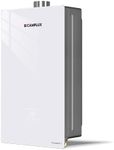
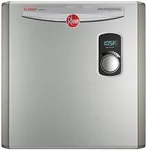
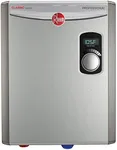
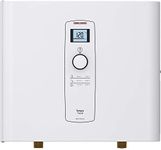
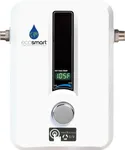
Buying Guide for the Best Point Of Use Hot Water Heaters
Choosing the right point-of-use hot water heater can significantly improve your comfort and efficiency in your home or office. These compact units are designed to provide hot water directly at the location where it is needed, such as under a sink or in a bathroom, without the need for a central water heating system. To make an informed decision, you need to consider several key specifications that will determine the performance, efficiency, and suitability of the unit for your specific needs.CapacityCapacity refers to the amount of hot water the heater can store or produce at a given time. This is important because it determines how much hot water you can use before the heater needs to reheat more water. Capacities can range from a few gallons for small, under-sink units to larger capacities for more demanding applications. If you need hot water for a single sink, a smaller capacity (2-5 gallons) may suffice. For multiple fixtures or higher demand, consider a larger capacity (6-20 gallons). Choose a capacity that matches your usage to ensure you have enough hot water without unnecessary energy consumption.
Power SourcePoint-of-use hot water heaters can be powered by electricity, natural gas, or propane. The power source affects installation requirements, operating costs, and efficiency. Electric models are typically easier to install and are suitable for most locations, but they may have higher operating costs compared to gas models. Gas-powered units can be more energy-efficient and cost-effective in the long run but require proper ventilation and gas lines. Choose the power source that is most convenient and cost-effective for your location and usage patterns.
Flow RateFlow rate, measured in gallons per minute (GPM), indicates how much hot water the heater can deliver continuously. This is crucial for ensuring that you have a steady supply of hot water, especially if you have multiple fixtures or high-demand applications. Lower flow rates (1-2 GPM) are suitable for single fixtures like a sink, while higher flow rates (3-5 GPM) are better for showers or multiple fixtures. Assess your hot water needs and choose a flow rate that can meet your peak demand without running out of hot water.
Energy EfficiencyEnergy efficiency measures how effectively the heater converts energy into hot water. This is important for reducing energy consumption and lowering utility bills. Look for units with high energy efficiency ratings, such as those with Energy Star certification. Higher efficiency models may have a higher upfront cost but can save you money in the long run through reduced energy usage. Consider your long-term energy costs and environmental impact when choosing a unit with the right efficiency level for your needs.
Installation RequirementsInstallation requirements include the space available, electrical or gas connections, and ventilation needs. This is important because it affects where and how you can install the unit. Some units are compact and can fit under a sink, while others may require more space or specific installation conditions. Ensure you have the necessary space and connections for the unit you choose. If you are not comfortable with installation, consider hiring a professional to ensure it is done safely and correctly.
Temperature ControlTemperature control allows you to set and maintain the desired water temperature. This is important for comfort and safety, as it ensures you get hot water at the right temperature without the risk of scalding. Some units offer precise digital controls, while others have simple dial settings. Choose a unit with temperature control features that match your preferences and ensure it can maintain a consistent temperature for your needs.
Size and DesignThe size and design of the unit affect where it can be installed and how it fits into your space. This is important for ensuring the unit can be conveniently placed without taking up too much room. Compact, sleek designs are ideal for small spaces like under sinks or in cabinets. Consider the dimensions and design of the unit to ensure it fits your installation location and complements your space.