Buying Guide for the Best Pocket Microscopes
Pocket microscopes are compact, portable devices that allow you to magnify small objects and details on the go. They are perfect for hobbyists, students, and professionals who need a convenient tool for close-up observation. When choosing a pocket microscope, it's important to consider several key specifications to ensure you get the best fit for your needs. Here are the main specs to look out for and how to navigate them.Magnification PowerMagnification power indicates how much larger the microscope can make an object appear. This is crucial because it determines the level of detail you can see. Pocket microscopes typically offer magnification levels ranging from 20x to 200x. For casual use or basic observations, a lower magnification (20x-60x) is sufficient. For more detailed studies, such as examining plant cells or small insects, a higher magnification (100x-200x) is better. Choose a magnification level based on what you plan to observe most frequently.
Lens QualityThe quality of the lens affects the clarity and sharpness of the image. High-quality lenses are usually made of glass and provide clearer, more detailed images, while lower-quality lenses may be made of plastic and can produce blurry or distorted images. If you need precise and clear observations, opt for a microscope with a high-quality glass lens. For general or less critical use, a plastic lens may suffice.
LightingLighting is essential for viewing objects clearly under a microscope. Pocket microscopes often come with built-in LED lights to illuminate the subject. The number and placement of LEDs can vary. Some models have adjustable lighting, which allows you to control the brightness and direction of the light. If you plan to use the microscope in various lighting conditions, look for one with adjustable LED lighting to ensure you can always see your subject clearly.
PortabilityPortability refers to how easy it is to carry and use the microscope on the go. Consider the size, weight, and design of the microscope. Smaller, lighter models are easier to carry in a pocket or bag, making them ideal for fieldwork or travel. However, ensure that the compact size does not compromise the functionality you need. Choose a model that balances portability with the features you require.
DurabilityDurability is important if you plan to use the microscope frequently or in rugged conditions. Look for models made with sturdy materials that can withstand drops and rough handling. Some pocket microscopes are designed with protective casings or rubberized grips to enhance durability. If you need a microscope for outdoor use or in a lab setting, prioritize durability to ensure it lasts longer.
Ease of UseEase of use includes how simple it is to operate the microscope and adjust its settings. Features like focus knobs, zoom controls, and lighting adjustments should be intuitive and easy to use. If you are a beginner or need a microscope for quick observations, look for models with straightforward controls and minimal setup. More advanced users might prefer additional features that allow for fine-tuning and customization.
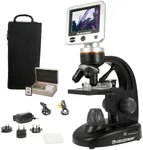
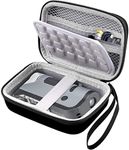
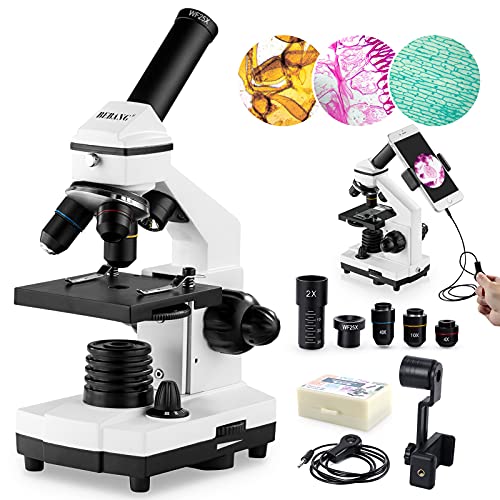
Additional FeaturesSome pocket microscopes come with extra features like smartphone compatibility, which allows you to take photos or videos of your observations. Others might include measurement scales, multiple lenses, or carrying cases. Consider what additional features might be useful for your specific needs. For example, if you want to document your findings, a model with smartphone compatibility would be beneficial.