Buying Guide for the Best Pedal Boards
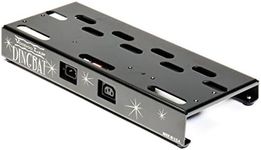
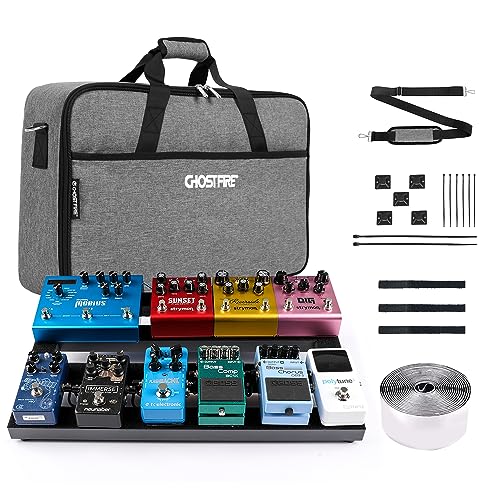
Choosing the right pedal board is essential for any guitarist or bassist looking to organize and optimize their effects pedals. A well-chosen pedal board can make your setup more efficient, protect your gear, and enhance your overall playing experience. When selecting a pedal board, consider the size, power supply, build quality, and additional features that will best suit your needs and playing style.SizeThe size of the pedal board is crucial because it determines how many pedals you can fit on it. Pedal boards come in various sizes, from compact boards that hold a few pedals to large boards that can accommodate an extensive array of effects. If you have a minimal setup with only a few essential pedals, a smaller board will be sufficient. However, if you have a more complex setup with multiple pedals, you will need a larger board. Consider your current pedal collection and any future additions when choosing the size.
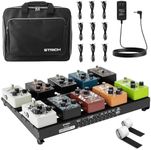
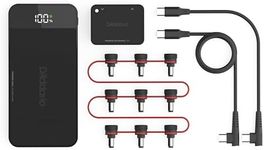
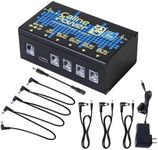
Power SupplyA reliable power supply is important to ensure that all your pedals receive consistent and clean power. Some pedal boards come with built-in power supplies, while others require you to purchase one separately. When evaluating power supplies, look for isolated outputs to prevent noise and hum, and ensure that the power supply can handle the voltage and current requirements of all your pedals. If you have a mix of digital and analog pedals, make sure the power supply can accommodate both types.
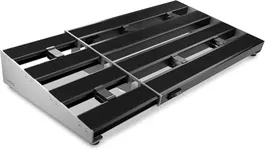
Build QualityThe build quality of a pedal board affects its durability and longevity. Pedal boards are typically made from materials like aluminum, steel, or composite. Aluminum boards are lightweight and sturdy, making them a popular choice for gigging musicians. Steel boards are heavier but offer excellent durability. Composite boards can provide a balance between weight and strength. Consider how often you will be transporting your pedal board and choose a material that can withstand the rigors of travel and frequent use.
Cable ManagementGood cable management is essential for keeping your pedal board organized and reducing the risk of signal interference. Look for pedal boards with built-in cable routing options, such as channels or clips, to keep your cables tidy and secure. This will not only make your setup look cleaner but also make it easier to troubleshoot any issues that arise. If you frequently change your pedal configuration, consider a board that allows for easy access to cables and connections.
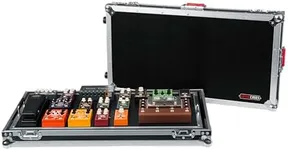
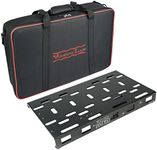
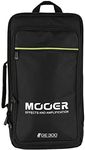
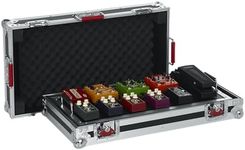
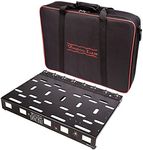
PortabilityPortability is an important factor if you plan to transport your pedal board to gigs, rehearsals, or recording sessions. Consider the weight and dimensions of the pedal board, as well as any included carrying cases or bags. Some pedal boards come with soft cases for light travel, while others offer hard cases for maximum protection. If you travel frequently, a lightweight and compact board with a durable case will make transportation easier and protect your gear.
Additional FeaturesSome pedal boards come with additional features that can enhance your setup. These may include built-in patch bays for easier connections, risers for elevating certain pedals, or integrated effects loops. Consider what extra features might be beneficial for your playing style and setup. For example, if you use a lot of modulation effects, a board with an integrated effects loop can help you manage your signal chain more effectively.