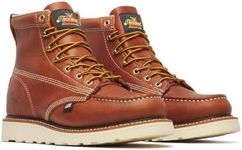
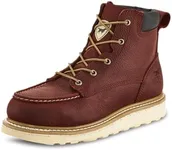
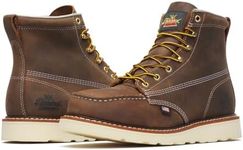
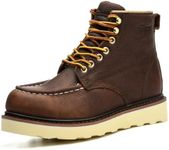
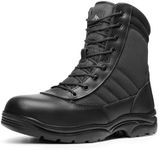
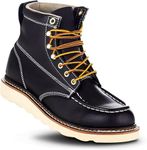
Buying Guide for the Best Orthopedic Work Boots
When it comes to choosing orthopedic work boots, it's essential to find a pair that offers the right balance of comfort, support, and durability. These boots are designed to provide relief and support for individuals who spend long hours on their feet, often in demanding work environments. The right pair can help prevent foot pain, reduce fatigue, and improve overall foot health. To make an informed decision, consider the following key specifications and how they align with your specific needs.Arch SupportArch support is crucial in orthopedic work boots as it helps distribute pressure evenly across your feet, reducing strain on your arches. Good arch support can prevent conditions like plantar fasciitis and flat feet. When evaluating arch support, look for boots with built-in arch support or removable insoles that can be replaced with custom orthotics. If you have high arches, you may need more pronounced support, while those with flat feet might require a more moderate level.
CushioningCushioning in orthopedic work boots provides shock absorption, reducing the impact on your feet and joints as you walk or stand. This is particularly important for those who work on hard surfaces. Cushioning can vary from minimal to maximum. If you experience foot pain or work long hours, opt for boots with ample cushioning. For those who prefer a firmer feel, moderate cushioning might be more suitable.
Toe ProtectionToe protection is essential in work environments where there is a risk of heavy objects falling on your feet. Orthopedic work boots often come with steel, composite, or aluminum toe caps. Steel toes offer the highest level of protection but can be heavier. Composite and aluminum toes are lighter and still provide good protection. Choose the type of toe protection based on the level of risk in your workplace and your comfort preference.
Heel SupportHeel support helps stabilize your foot and reduce the risk of heel pain and injuries. It is especially important for those with conditions like Achilles tendonitis or heel spurs. Look for boots with a firm heel counter and adequate padding around the heel area. If you have a history of heel pain, prioritize boots with enhanced heel support to ensure comfort throughout the day.
Material and DurabilityThe material of the work boots affects their durability, breathability, and overall comfort. Leather is a popular choice for its durability and ability to mold to the shape of your foot over time. Synthetic materials can offer lightweight and breathable options. Consider the demands of your work environment when choosing the material. For heavy-duty work, durable leather might be best, while lighter synthetic materials could be suitable for less demanding tasks.
WaterproofingWaterproofing is important if you work in wet or damp conditions. Waterproof boots keep your feet dry and comfortable, preventing issues like blisters and fungal infections. Look for boots with waterproof membranes or treated materials. If you frequently work in wet environments, prioritize boots with reliable waterproofing features. For dry conditions, this feature may be less critical.
Slip ResistanceSlip resistance is a key safety feature in work boots, especially if you work on slippery surfaces. Slip-resistant soles provide better traction and reduce the risk of slips and falls. The level of slip resistance can vary, with some boots offering specialized treads for maximum grip. If your job involves working on wet or oily surfaces, choose boots with high slip resistance. For less hazardous environments, moderate slip resistance may suffice.
BreathabilityBreathability in work boots helps keep your feet cool and dry, reducing the risk of sweat-related issues like blisters and odor. Breathable materials allow air to circulate, enhancing comfort during long hours of wear. If you work in hot conditions or tend to have sweaty feet, prioritize boots with good breathability. In cooler environments, this feature may be less critical, but still beneficial for overall foot health.